Decide whether the problem is appearance or declining growth
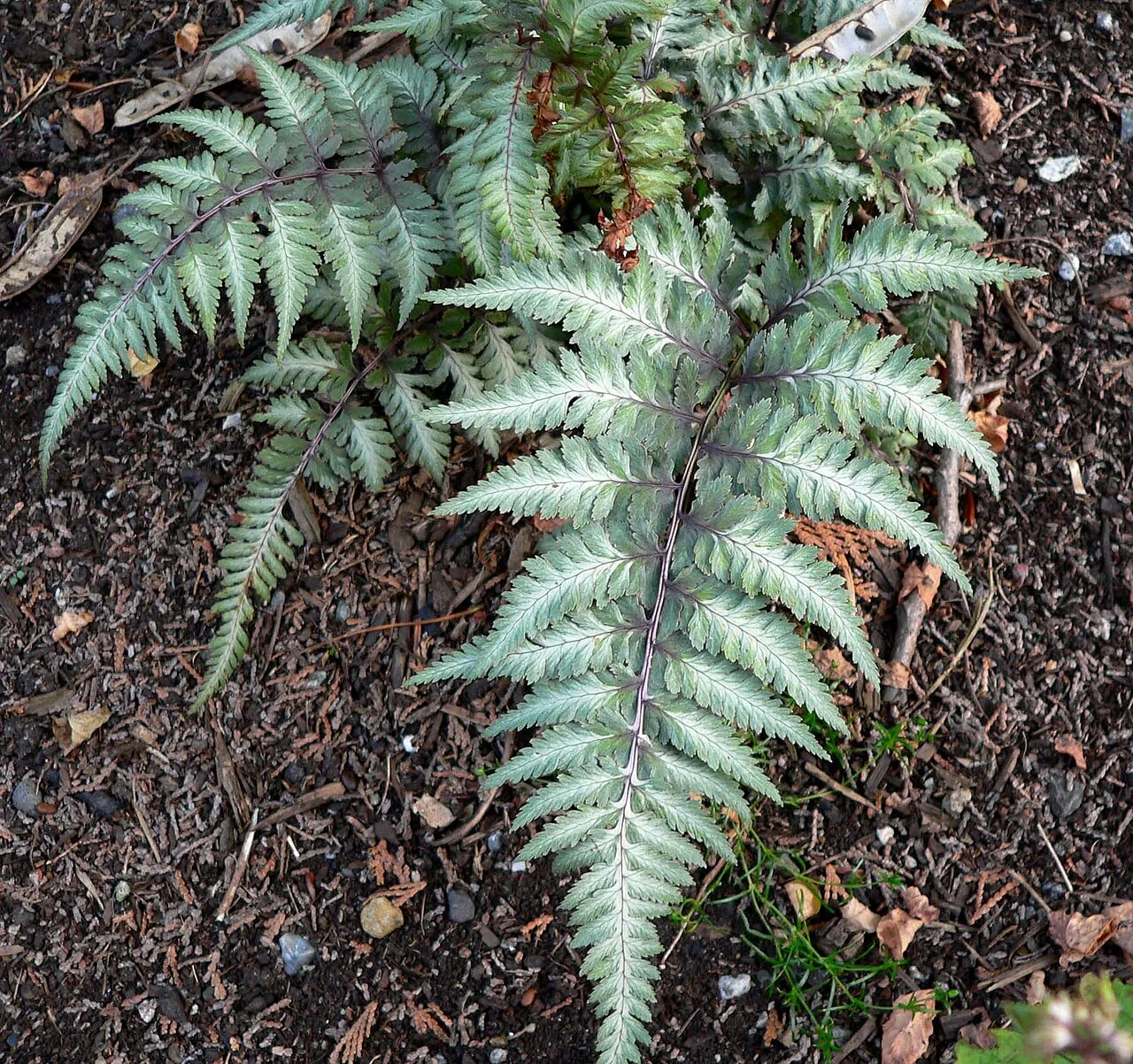
Begin with the whole clump. A silver frond viewed in bright light may look different from one beneath neighboring leaves. A broken outer frond may be obvious close up yet disappear in the full planting. A cluster losing new growth needs a different level of attention. State which of those situations you are seeing before choosing scissors, water, or a new position.
NC State notes that the best color occurs in light shade and that excessive sunlight can wash out the appearance of Japanese painted fern. NC State Extension: Japanese painted fern
Look at fronds in comparable positions and stages. Photograph the same clump from its normal viewing angle, then inspect the affected area closely. Record whether the change is limited to old foliage, the exposed side, or the entire plant. This gives you a useful decision sequence: preserve a harmless variation, remove isolated damage, or investigate the growing conditions behind a broader decline.
Keep the plant's identity clear while comparing examples
RHS recognizes the horticultural name Athyrium niponicum var. pictum and lists A. niponicum ‘Pictum’ among its synonyms. Named selections may differ in their displayed color. RHS: Athyrium niponicum var. pictum
Use a photograph of your own labeled plant as the primary comparison. An online picture of another selection can show a much stronger purple center without establishing that your plant is unhealthy. Likewise, an all-green fern in a mixed planting should not be used as the target appearance for the painted form. Keep the label and original nursery information with your seasonal photos.
When asking for advice, provide the complete name, the length of time in the site, and whether the plant arrived dormant or in leaf. A small newly planted division should not be assessed against a mature clump without that context. Clear identity and history reduce the temptation to chase an appearance that belongs to a different selection or a different stage of establishment.
Use the frond's position to choose the next inspection
Trace an unattractive frond toward the base without pulling it. A crease where a hose crossed the plant suggests a mechanical event. Damage mainly along the path invites a look at daily traffic. Similar drying across the whole clump calls for a check of soil moisture and exposure. These are starting questions rather than diagnoses, but they direct your attention to useful evidence.
Move a hose guide, pot, or other obstruction if you can see it repeatedly catching the foliage. It is better to change the route than to keep removing the fronds it damages. If neighboring plants obscure the fern, adjust the encroaching growth rather than cutting healthy fern foliage to make maintenance easier.
For unexplained symptoms, photograph the whole frond and its base before cleanup. Retain the context in your notes even if the frond is later removed. Recurrent damage becomes much easier to recognize when you can compare where it starts each time.
Check whether water reaches the fern's roots
Purdue recommends adequate moisture and well-drained soil for Japanese painted fern and describes major pest problems as uncommon. Purdue Extension: Japanese painted fern
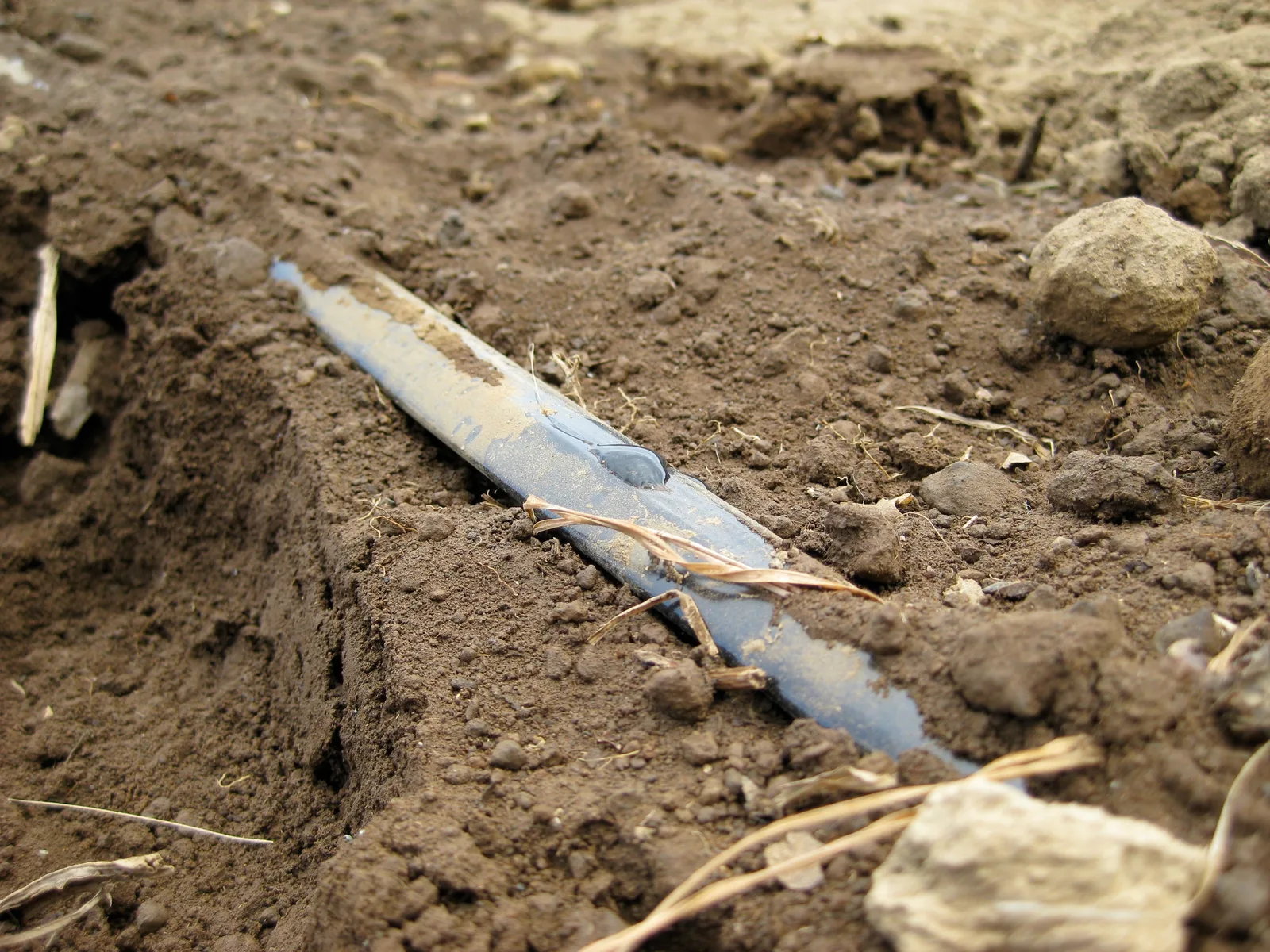
Inspect the root zone after your usual watering, particularly beneath a thick canopy of other plants. A damp path edge or wet mulch surface may not represent conditions at the original planting. Look for water running past the intended area and for pots or foliage diverting it. If irrigation is installed, watch it operate before changing its schedule.
Avoid making every brown frond a reason to extend the entire circuit's runtime. The fern may need a corrected emitter position while other plants are already receiving enough water. If the bed is chronically dry because of site constraints, compare a more suitable location before investing in a complicated rescue system. The irrigation circuit guide helps distinguish a plant-specific delivery issue from a shared watering requirement across a bed.
Recognize normal structures beneath a frond
Morris Arboretum explains that fern sori are collections of spore cases protected by coverings called indusia. Their presence should not automatically be interpreted as an insect infestation. Morris Arboretum: painted fern names
Inspect the pattern before deciding what it means. Are similar structures repeated in corresponding positions across several leaflets? Does the upper surface remain sound? Are there moving organisms or associated injury? Use a clear photograph in ordinary light first; magnification is useful only when it resolves a specific uncertainty.
If you cannot identify the structures confidently, send both the underside image and a full-frond image to a local diagnostic service. Do not scrape them away or apply a treatment solely because they look unfamiliar. Preserving normal reproductive structures is an ordinary part of leaving a healthy fern intact. The same restraint applies to naturally patterned foliage: a striking contrast is a reason to identify what you see, not a reason to make the whole plant uniformly green.
Choose selective removal when a frond no longer helps
Before cutting, decide what removal will accomplish. A dead frond that hides the base may be worth removing for visibility. A severely broken outer frond may detract from a small specimen beside a seat. A partly marked but otherwise useful frond may be better left alone. You are managing a display, not trying to erase every sign that the plant grows outdoors.
RHS advises cutting old or ragged fronds at the base before new growth unfurls, while avoiding developing fronds. RHS: growing ferns
Locate the individual stem and use a clean cutting tool that allows an unobstructed view. Do not gather the entire clump and cut across it blindly. If new growth is already intertwined with old stems, work more slowly or leave an awkward stem temporarily. Stop and reassess after each small group of cuts. A plant that looks sparse after heavy cleanup does not necessarily need another corrective action immediately.
Treat seasonal dieback as a change in visibility
A deciduous fern can vanish visually while its planting space remains occupied. Keep a durable marker beside the clump and a photograph showing its summer footprint. This is especially helpful in a bed where you add bulbs, mulch, or new perennials during the dormant season. An apparently empty patch should not automatically receive another plant.
Before spring cleanup, look for emerging growth among the old stems and surrounding debris. Use the plant's condition rather than a date on a generic calendar to decide when you can work safely. If fresh fronds are already opening, an aggressive sweep through the bed may do more damage than leaving a few old stems.
Plan winter appearance at the bed level. If a visible gap bothers you, position an appropriate neighboring feature or movable pot outside the fern's footprint. Avoid solving the seasonal gap by planting a vigorous evergreen directly over the dormant crown. The summer composition still needs room when the fern returns.
Change the container routine when the pot is the limitation
A container gives you control over location and individual watering, but its root zone is easy to overlook beneath a spreading canopy. Keep the opening reachable, the outlet visible, and any saucer accessible. If inspecting the mix requires moving several other pots, simplify the arrangement before the difficult weather arrives.
For a mixed display, consider retaining the fern in its own pot. You can group it beside a coleus without making the fern follow the tender plant indoors when temperatures change. You can also adjust its position without uprooting companions. The container drainage guide covers the vessel choices behind that flexibility.
Do not assume a larger container is automatically the answer to brown fronds. First establish whether the existing problem is drying, water retention, damaging exposure, or physical disturbance. Upsizing can make a pot heavier and harder to move while leaving those causes untouched. Choose the container only after the actual constraint is clear.
Measure improvement in the next growth, then stop intervening
Keep a short record of what you changed and what you expect to learn. If you rerouted a hose, watch whether new fronds avoid the same mechanical damage. If you corrected watering, compare the root zone and subsequent growth through another ordinary dry interval. If you changed exposure, observe the plant in its new position without repeatedly moving it from one extreme to another.
Decide on a practical threshold for action. A sound clump with a few weathered outer fronds may already meet the garden's purpose. A clump repeatedly requiring rescue may justify relocation or a different plant choice. Neither needs to become a collection of increasingly elaborate gadgets.
A durable Bosmere marker can help preserve the dormant footprint and full plant name. A clean tool you already own may be sufficient for the occasional cut. Use the Japanese painted fern profile to check the broader site fit before purchasing anything beyond those simple maintenance aids.
Sources & further reading
We favor university extension guidance and original product documentation. Linked sources support the specific facts cited; they do not endorse Garden Gear Atlas.
- NC State Extension: Japanese painted fern
- RHS: Athyrium niponicum var. pictum
- Purdue Extension: Japanese painted fern
- Morris Arboretum: painted fern names
- RHS: growing ferns