Identify the pea and decide what you are growing
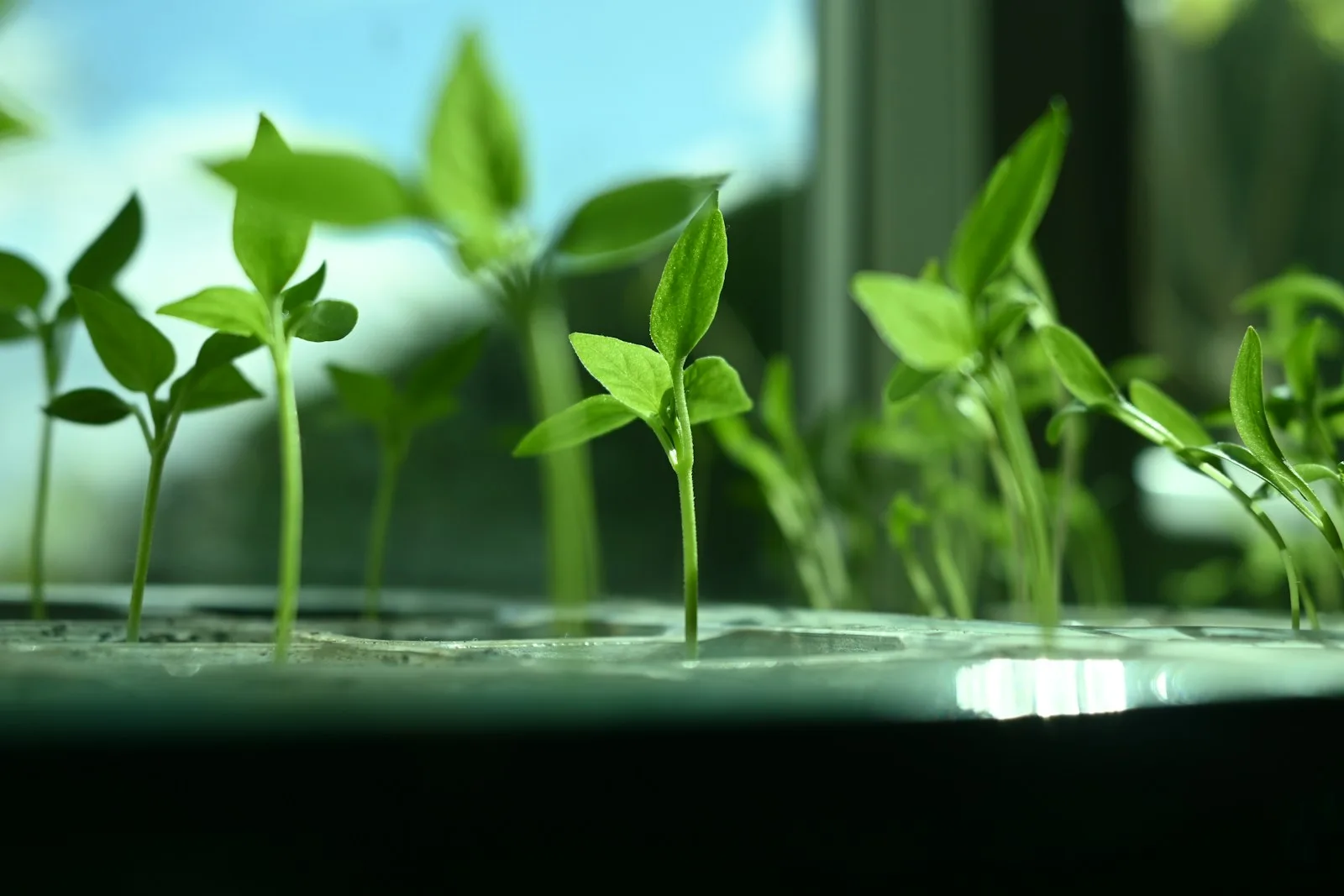
Use seed clearly identified for edible pea shoots. The familiar word “pea” is not enough to choose seed from an ornamental collection. Washington State identifies edible pea shoots as the young tips of garden pea, Pisum sativum, and specifically excludes flowering sweet pea, Lathyrus odoratus. Keep the scientific identity and intended edible use with your tray record. Washington State pea shoots
There are two different projects hidden inside photographs of pea greens. One is a dense tray harvested while the plants are young. The other is taking selected tender tips from larger pea plants, sometimes while also managing them for pods. Their root space, cutting height, support and time commitments differ. Choose one before copying a planting or pruning instruction.
This guide focuses on the short tray crop and a limited optional regrowth trial. If your goal is snap, snow or shelling peas on mature vines, use the pea support and harvest-access guide. A tray of edible young shoots is a harvest stage, not a new mature plant type or a shortcut to a full pod crop.
Reserve vertical space for your hands as well as the leaves
Set the empty tray in its proposed growing position and practice lifting it out. Leave room to grip both sides without dragging the future canopy against a shelf or lamp. Pea shoots can make an apparently roomy shelf awkward once tendrils and leaves occupy the opening. The relevant measurement is the access you will have at harvest, not merely the height of the empty tray.
Start a short crop without weaving stems into a fixed net. That is a practical access choice: anything threaded through the canopy has to be removed or worked around at cutting. If the supplier's system includes a removable support, test how it lifts away while the tray remains stable. Avoid adding an outdoor pea trellis simply because peas normally climb.
When a stand leans, inspect the pattern before fitting props. Is every plant leaning toward a window, is one patch soft at the base, or did the shoots become tangled after waiting beyond your planned stage? A support cannot resolve all three. For repeated lodging, compare the light, airflow and crowding checks with your crop record before the next sowing.
Plan a pea stand that can be separated into small cuts
Measure seed dry and follow the selected seed supplier's preparation directions. Keep any soaking step attached to that particular crop and method; do not transfer a sunflower schedule or a sprouting-jar routine to the pea tray. Put the lot number and measured weight on the label before wet work begins. That prevents a later choice between guessing the amount and starting the record again.
As you sow, aim for an even distribution rather than piles of peas in the corners. Keep enough access around the rim to inspect the medium and lift the inner tray. During growth, view the center as well as the edge. A neat border can hide a thick central tangle, especially when the leaves overlap across several neighboring stems.
Treat the first harvest as an evaluation of the stand. Cut a small strip and note whether stems separate easily or whether you have to pull against a network of tendrils. On the next tray, adjust one of sowing quantity, distribution or chosen harvest stage. Do not automatically add more seed to compensate for a disappointing harvest before discovering whether much of it was simply difficult to cut.
Read the leaves and choose a useful stem length
Pea shoots need their own stage check. Purdue describes harvesting them taller and with more developed leaves than many small microgreens, including two or more true-leaf sets. That guidance should not become one compulsory height for every pea seed product or growing method. Purdue crop and harvest guidance
Inspect several stems from the edge and locate the leaves, tendrils and growing tip. Choose the portion you can use comfortably in the intended dish. A long stem may suit one preparation but need trimming for another. Record that choice in words, such as “short leafy tips for sandwiches,” alongside a photograph. A length without a description of the harvested plant parts is hard to interpret later.
Make a small test cut from a sound tray, prepare it using your normal food-handling routine and evaluate the edible portion. If the lower stem is inconvenient or coarse, compare a shorter cut next time. Do not extend the growing period solely to obtain a larger handful. The trial should answer when this crop gives a useful texture and an accessible harvest, rather than how long it can remain on the shelf.
Choose one harvest or a deliberate node-retaining trial
For a straightforward batch schedule, plan one harvest and a reset. A possible second cutting is a separate choice. Washington State explains that pea regrowth depends on leaving a leaf node on the stem; Mississippi State also identifies a pea-shoot crop that can be recut. Neither statement guarantees the next yield from your dense home tray. Washington State cutting structure, Mississippi pea-shoot notes
A node is the point where a leaf joins the stem. If you want to test regrowth, locate an actual lower leaf node before cutting and retain it on a healthy plant. Do not choose a fixed distance from the rim and assume the necessary structure remains. If a useful first cut would remove everything you intended to retain, accept a one-harvest crop instead.
Label the retained tray as an experiment and record the first cutting date. Keep it separate in your space plan from newly sown trays. Compare its next usable harvest and added attention with a fresh batch of the same pea. Stop the experiment if the remaining crop deteriorates or occupies space you need for a more useful sowing. The first harvest has already served its purpose.
Handle tangles without turning cutting into pulling
Before harvest, move the tray to a stable surface where you can reach an exposed edge. Use clean, sharp scissors and hold a small group above the intended cut. Keep the root mat in place. If a group will not separate easily, reduce the size of the handful and identify the crossing tendril instead of pulling until stems break or medium lifts.
With a one-cut crop, maintain clearance above the growing medium throughout the pass. With a regrowth trial, work slowly enough to confirm the retained nodes. These are different cutting priorities; switching between them halfway across an unlabeled tray makes later observations confusing. Photograph the remaining stems if you are testing a second harvest, so you can see what the original cut actually left.
NMSU distinguishes cleaning from sanitizing and directs growers to follow the sanitizer label. Apply that discipline to scissors and other food-contact equipment; do not improvise a universal dilution or use a surface product on the crop. NMSU equipment handling
Prepare a clean container before beginning. Keep cut shoots away from loose seed and medium, and bring only a batch you can handle promptly to the work surface.
Keep mature-vine advice and tray scheduling separate
Washington State's larger-plant method distinguishes shoot-focused harvest from taking tips when pods are the main crop. It also discusses repeated harvests under Pacific Northwest growing conditions. Those are valuable production distinctions, but the field schedules and seasonal care are not instructions for a kitchen tray. Washington State production systems
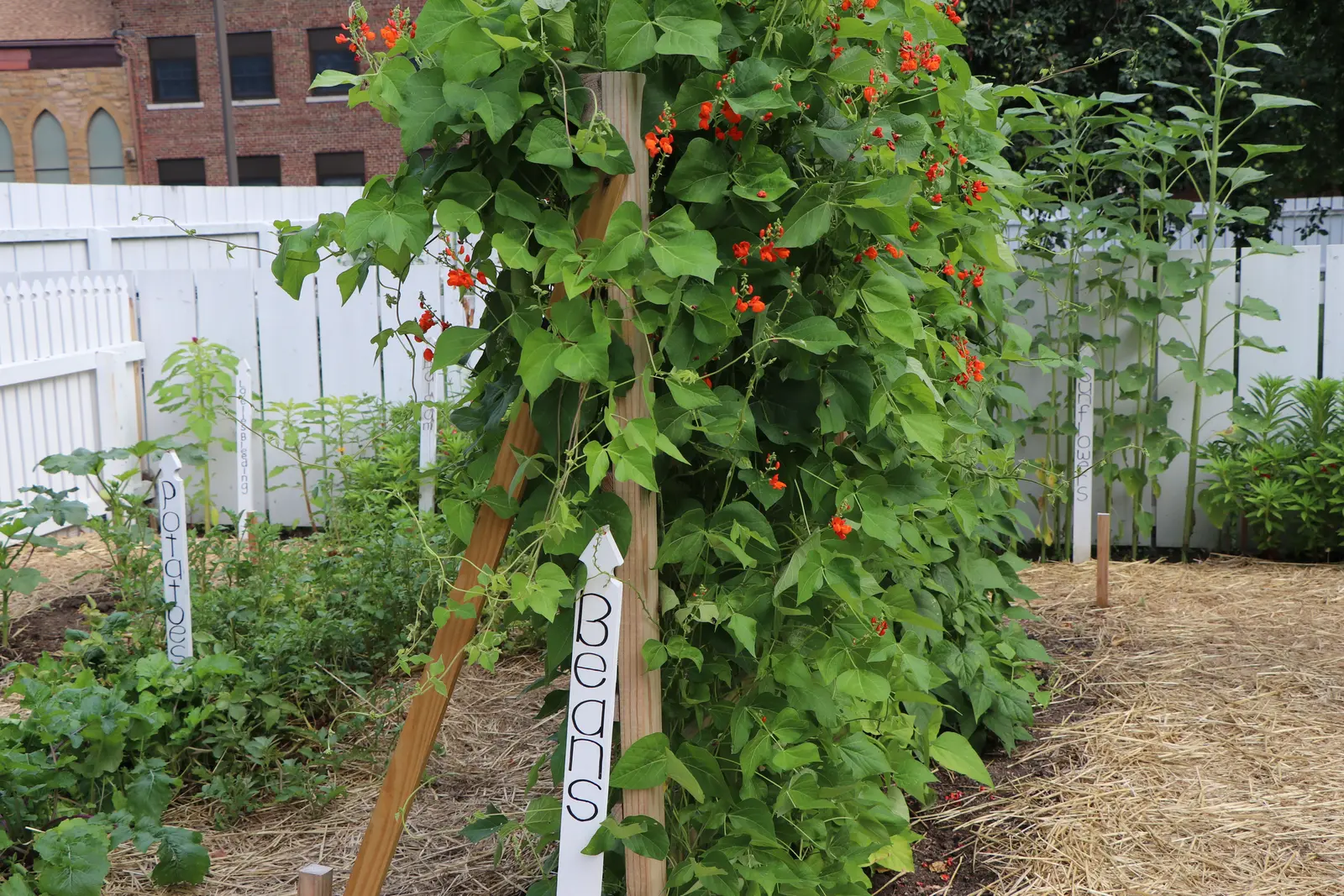
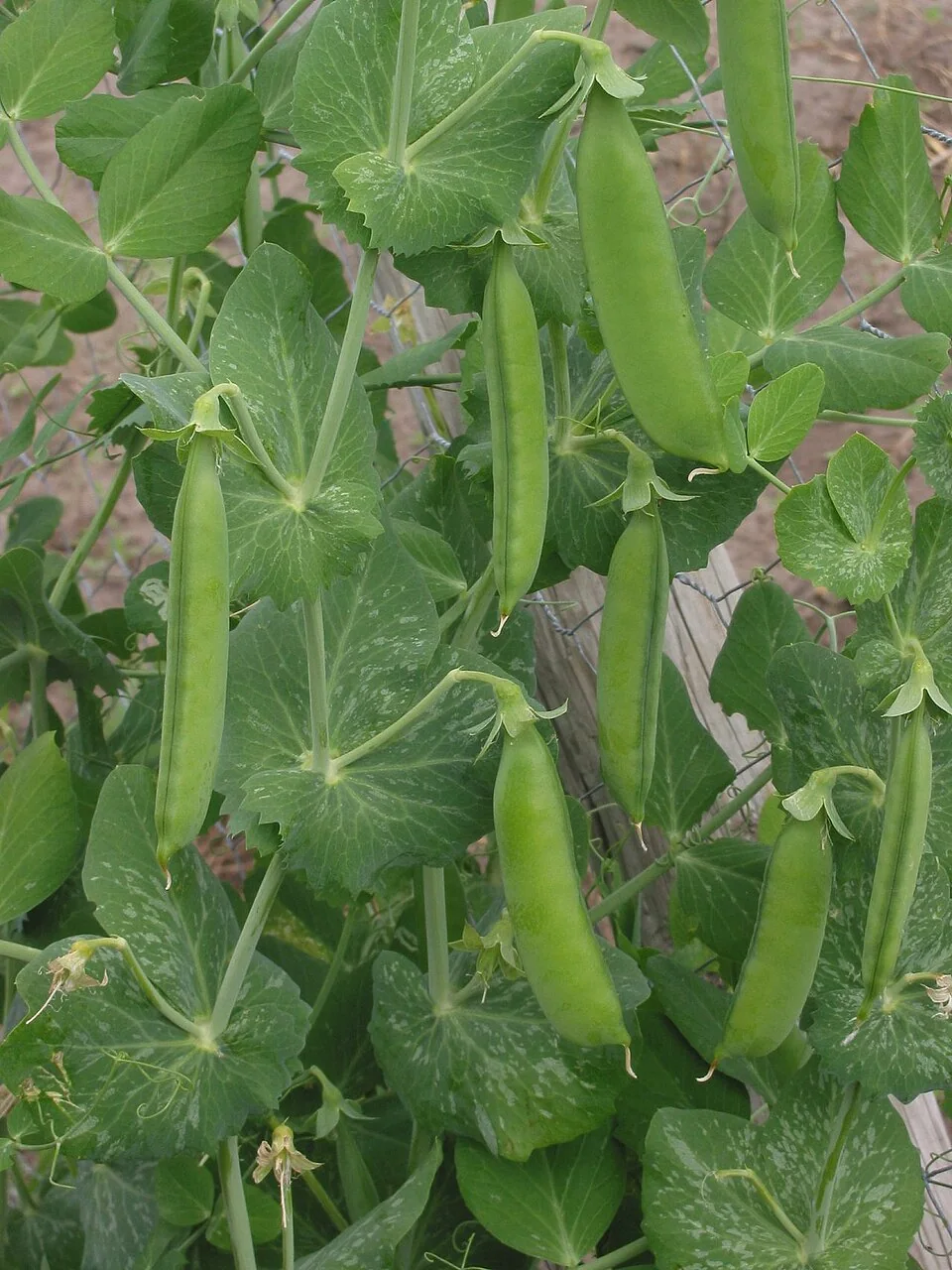
If you decide you want pea pods, start that project with appropriate spacing, root volume, outdoor timing and support. Do not use the mature-vine photograph here as a target for the dense tray. Likewise, an unsupported tray can be a sensible short-crop choice without implying that a tall pod-producing variety never needs support.
For new one-harvest batches, put your observed sowing-to-harvest duration and dry seed weight into the tray batch planner. The tool counts each batch through its harvest day. A tray retained for another cutting remains occupied beyond that plan, so reserve its space separately. If regrowth becomes your preferred method, base that decision on completed harvest records rather than counting an anticipated second cut as food already available.
Sources & further reading
We favor university extension guidance and original product documentation. Linked sources support the specific facts cited; they do not endorse Garden Gear Atlas.
- Washington State University: Pea Shoots, PNW567
- Purdue Extension: Grow Microgreens at Home
- Mississippi State University: Microgreen Varieties for the Mississippi Gardener
- New Mexico State University: Growing Microgreens