Decide what makes the container worthwhile
Choose potatoes for a harvest you particularly want: tender small potatoes for a few meals, a different flesh color, or the pleasure of lifting a crop where there is no garden soil. Utah State groups cultivars by maturity, culinary use and skin characteristics. Those are better selection criteria than an advertisement promising an extraordinary harvest from a single bag. Utah State Extension: potato growing and harvest
Before ordering seed stock, choose a cooking use and an acceptable harvest window. A family that wants several dinners of freshly dug potatoes has a different target from someone stocking a winter pantry. Write that target on the planting label. It will help you judge the result without comparing one patio container with photographs of a large field harvest.
Work out the whole project cost: seed pieces, container, mix and water access. If the container already fits another crop, compare which harvest you value more. Begin with a manageable number of plants, then weigh the actual crop. A first attempt can be useful even when it does not replace many grocery purchases; it should answer whether this method deserves space next season.
Match width, volume and watering access
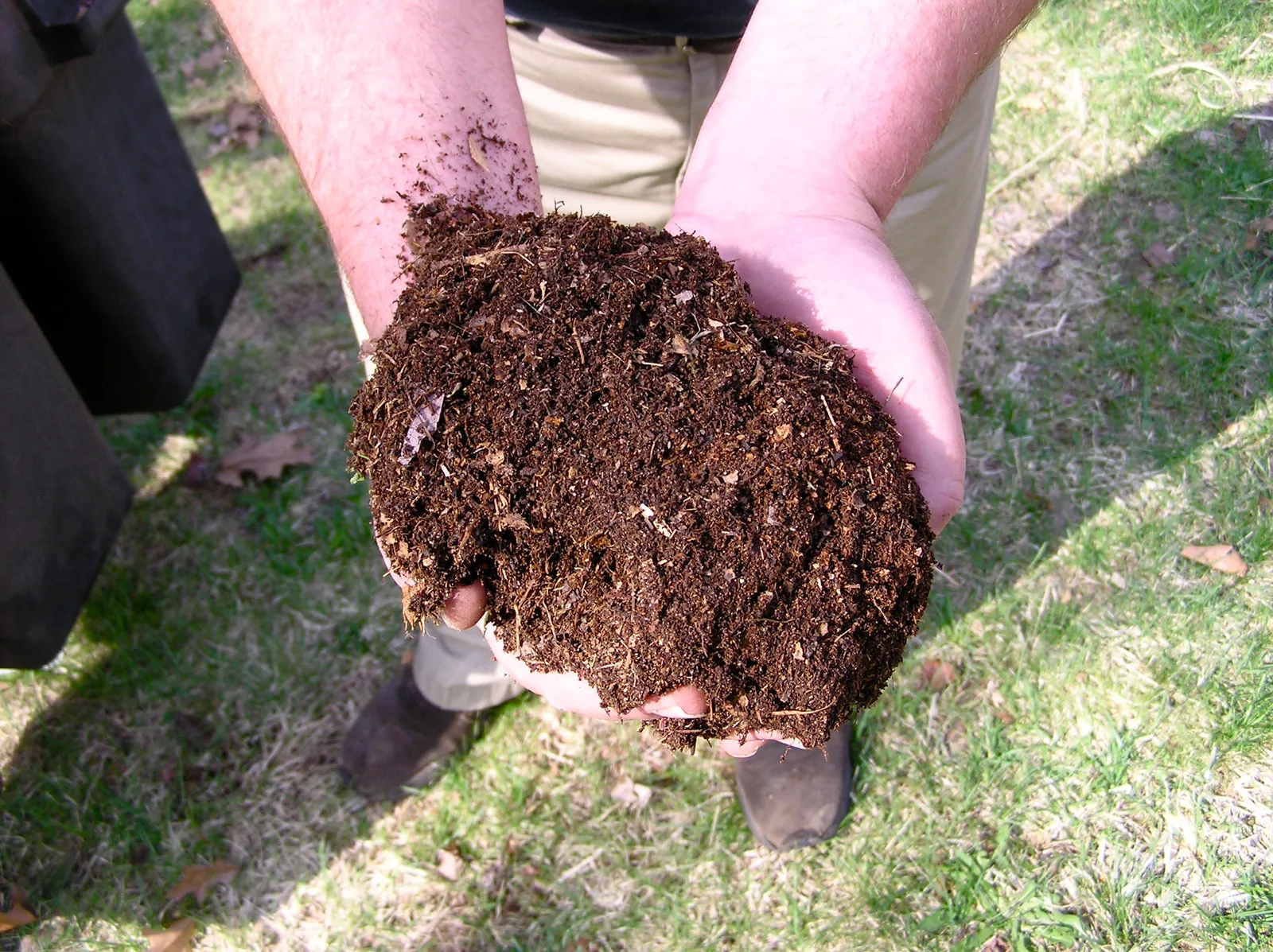
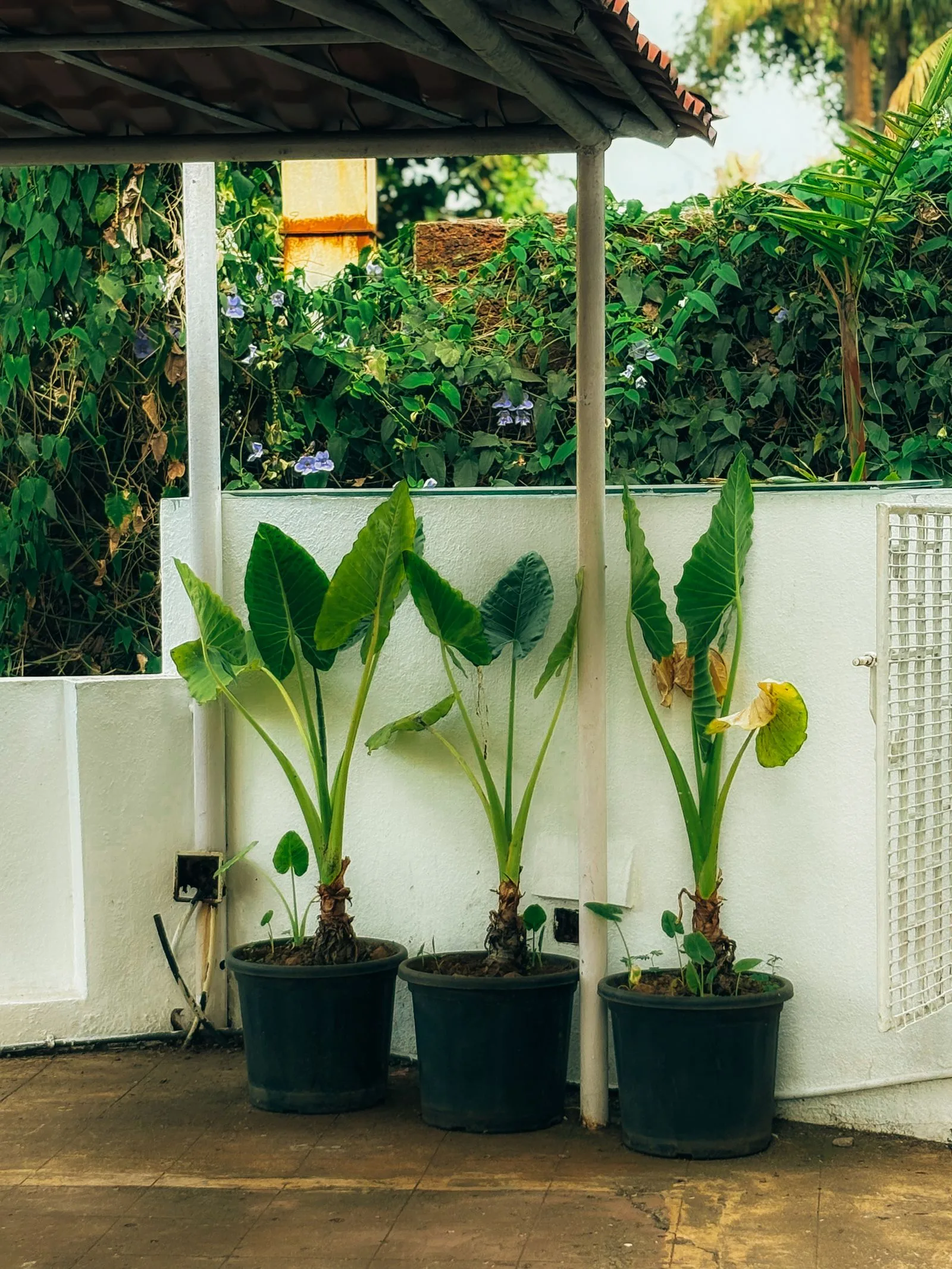
New Hampshire recommends an opaque container with drainage and estimates five gallons of medium per plant. It also warns that unusually tall containers are difficult to water evenly. Its suggested 10–15-gallon capacity is a planning range, not proof that every container carrying that label has the same useful root space. UNH Extension: container potatoes
Compare actual inside diameter, filled depth and usable volume. A narrow vessel can have an impressive gallon label while leaving plants crowded at the surface. Sketch where the seed pieces will sit before buying several bags. Choose the final position while the container is empty and keep a clear route for watering, inspecting leaves and eventually removing the harvest.
For this project, favor a simple container you can inspect over an elaborate tower you cannot reach into. Ask whether you can check moisture toward the bottom, whether runoff has somewhere to go, and whether the container can be emptied without lifting an awkward load. A removable side panel may be convenient, but convenience alone does not establish a larger yield.
Plant seed tubers with a clean starting point
Buy certified seed potatoes rather than assuming an unblemished supermarket potato is disease free. Minnesota explains that apparently healthy food potatoes and saved garden tubers can carry disease. Small seed tubers can be planted whole; larger ones can be divided so each piece retains eyes. Let cut surfaces dry and toughen before planting, and avoid knocking off emerging sprouts. Minnesota Extension: growing potatoes
Set out your seed pieces, labels and clean cutting equipment before opening the mix. Keep different cultivars separate from this point onward. If you cut one large tuber into several pieces, do not feel obliged to squeeze every piece into the same pot. Extra planting material is a reason to find suitable additional space or share it, not to abandon the intended spacing.
Use a container growing medium and make the first watering a check that the entire planted layer wets. Follow a locally appropriate potato planting window and the seed supplier's handling instructions. Record the planting date and the medium used. That information is far more useful when investigating a later failure than the name of the container alone.
Cover tubers without making a tower promise
Potatoes are enlarged underground stems, and hilling helps keep shallow tubers away from light. Minnesota describes adding soil around growing stems while the foliage remains above ground. Maryland explicitly cautions that potato towers usually do not work as advertised. Treat added medium as protection and growing space, not as evidence that every buried stem will create another complete layer of potatoes. Minnesota Extension: growing potatoes Maryland Extension: potato care and tower limitations
Check the surface after watering and rain. If a tuber becomes exposed, cover it again without breaking nearby stems. Reserve some medium at planting so this correction does not require an urgent shopping trip. Do not repeatedly bury the entire green top to keep pace with a tower-building schedule. Your job is to maintain a healthy plant, not to reach an arbitrary container height.
Keep an eye on the relationship between the foliage and the pot. If branches spill into a walkway, adjust access before someone breaks them. If the container leans, address its support without yanking the stems upright. Plan any move with help and suitable equipment; the safest practical solution may be to leave a filled container where it is and change the route around it.
Diagnose weak growth before adding inputs
Maryland links excessively warm soil with reduced tuber development and warns that uneven water can contribute to cracked or misshapen tubers. A container with abundant leaves but a disappointing harvest therefore needs a broader review than simply more fertilizer. Light, planting date, moisture history and the cultivar all belong in that review. Maryland Extension: potato care and tower limitations
Use a short inspection sequence: check moisture inside the pot, verify the drainage openings, then examine the plant. Note whether wilting affects the whole container or only one stem. Photograph both leaf surfaces and any damaged stem base. If the medium is wet, do not respond to wilt with another automatic watering. If the medium is dry, first establish whether water is actually penetrating it.
For unexplained spots, rapid collapse or significant chewing, ask a local extension service for identification before choosing a treatment. Send the photographs with your planting and watering notes. Keep uncertain material out of your seed-saving plans. A bag does not make a crop immune to pests, and a product marketed for potatoes cannot substitute for knowing what caused the damage.
Choose a harvest and storage plan you can deliver
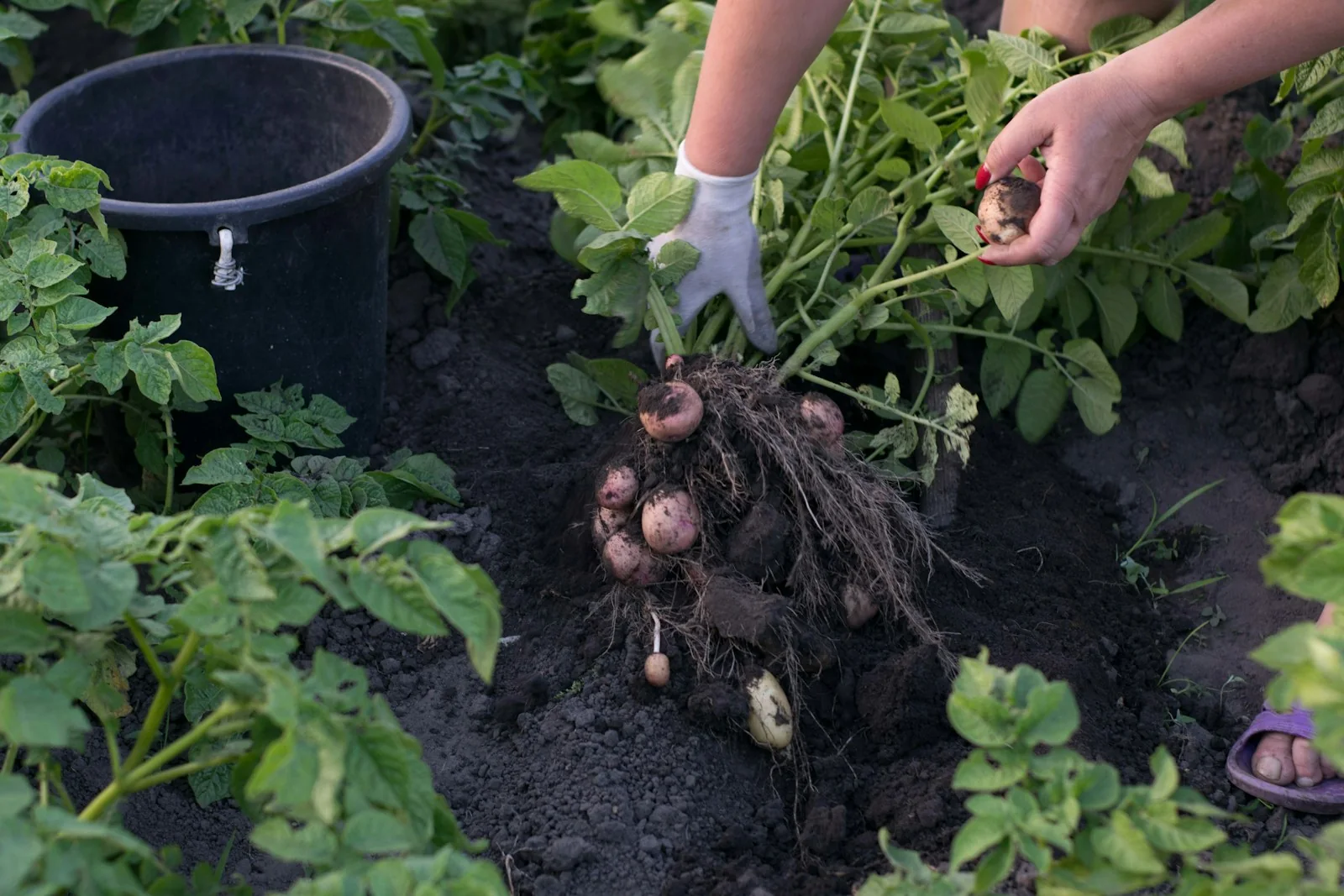
New potatoes are immature tubers with tender skins; mature storage potatoes are normally lifted after vines die back and skins have developed. Utah State recommends curing mature tubers before dark, cool storage. These are different harvest goals, so taking an early meal from a container necessarily changes what remains for the final harvest. Utah State Extension: potato growing and harvest
Lay out a tarp or shallow collection tray and harvest gently. If tipping the container is awkward, remove medium in stages instead. Sort out cut, bruised or suspect tubers as you find them. Keep the crop out of prolonged light: Maryland associates greening with solanine and advises removing green portions. Maryland Extension: potato care and tower limitations Do not eat potato foliage or the small above-ground fruits. NC State Extension: potato plant identity and toxic parts
For a small crop, plan meals first and long storage second. Record the weight you actually use, not only the weight lifted. Compare that result with container size, plant count and care time before scaling up. If the project was difficult to water or harvest, correct that practical problem before adding more containers; another identical bag will usually repeat the same management challenge.
Sources & further reading
We favor university extension guidance and original product documentation. Linked sources support the specific facts cited; they do not endorse Garden Gear Atlas.
- UNH Extension: container potatoes
- Minnesota Extension: growing potatoes
- Utah State Extension: potato growing and harvest
- Maryland Extension: potato care and tower limitations
- NC State Extension: potato plant identity and toxic parts