Choose what to grow
Compare plants.
Put the light, root space and seasonal needs beside one another before choosing a place in your garden or home.
1 of 3 plants selected — add another to compare.
| Care decision | 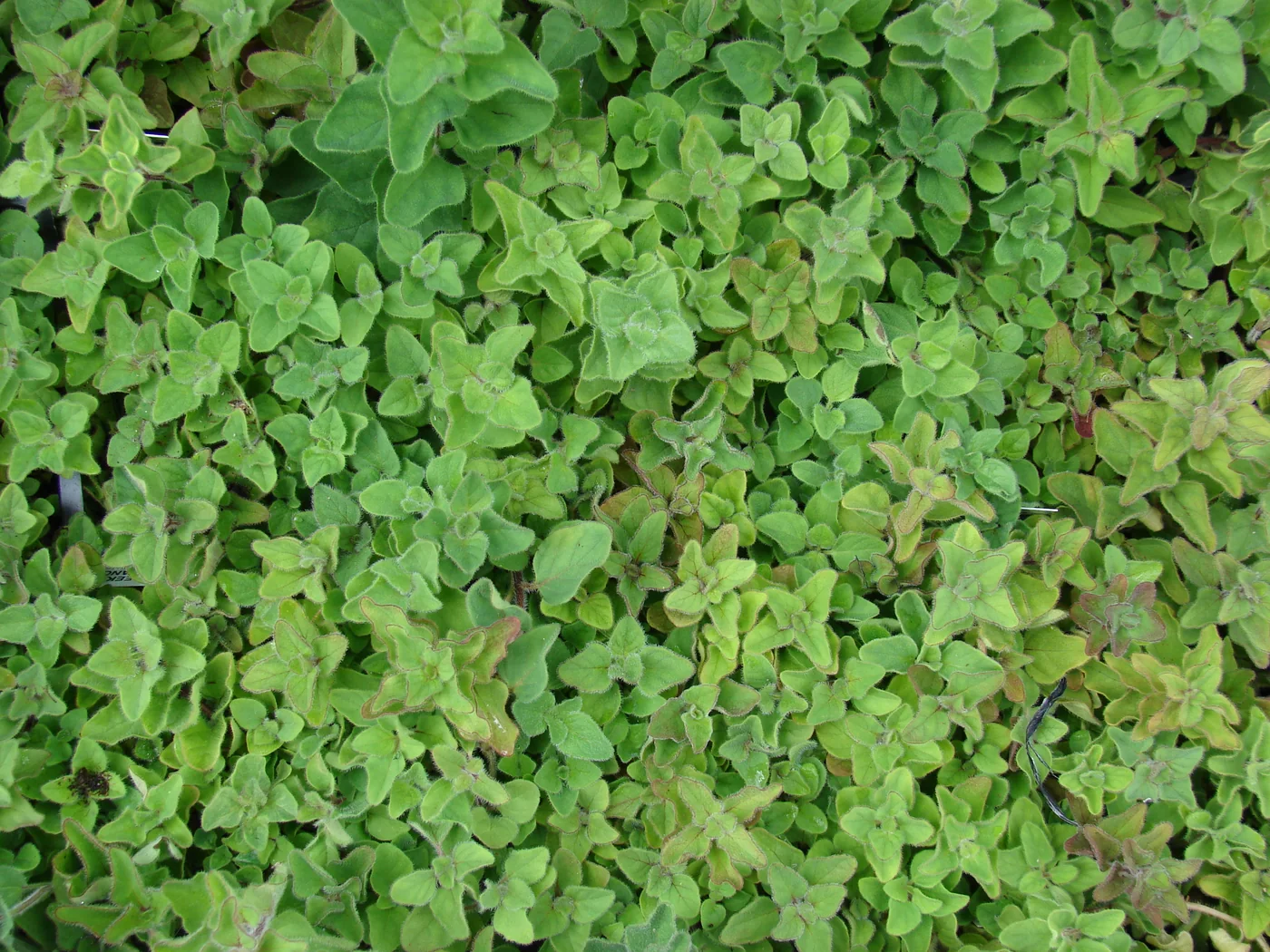 |
|---|---|
| Light | Full sun is the general preference; some golden or variegated selections benefit from relief during intense heat. NC State: Origanum vulgare |
| Water | Water new plantings in dry spells and monitor pots; established plants tolerate some dryness. RHS: growing oregano |
| Soil & growing mix | Well-drained soil is essential; persistent wetness can cause root rot. NC State: Origanum vulgare |
| Mature size | Species accounts reach roughly 1–3 feet tall and 1–2 feet wide; Greek and named compact selections can be much smaller. NC State: Origanum vulgare |
| Growing season | Perennial growth with summer flowers; RHS describes the species as deciduous. RHS: Origanum vulgare profile |
| Winter & climate | RHS rates O. vulgare H6 under UK conditions. For Greek oregano, NC State lists USDA 4–8 while Illinois describes zone 5 as marginal; verify the exact plant locally. RHS: Origanum vulgare profile NC State: Greek oregano Illinois Extension: culinary oregano |
| Container fit | Well suited to containers. Check mature size and root-space guidance in the reference. |
| Place & variety | Names and selections explain some differences among size and hardiness recommendations. Do not average conflicting ratings into a new number. Check the nursery’s botanical identity and local performance, and assess container winter exposure separately from plants in the ground. |
| Equipment to consider | |
| Evidence & next steps |
|
These facts help compare choices. They do not establish that plants can share a pot, watering circuit or outdoor site. Check the full reference and local suitability before planting.
Open this comparison as a bookmarkable page
Give your choice enough room.
Use inside bed or pot measurements to plan mix quantities and working space.