Choose what to grow
Compare plants.
Put the light, root space and seasonal needs beside one another before choosing a place in your garden or home.
1 of 3 plants selected — add another to compare.
| Care decision | 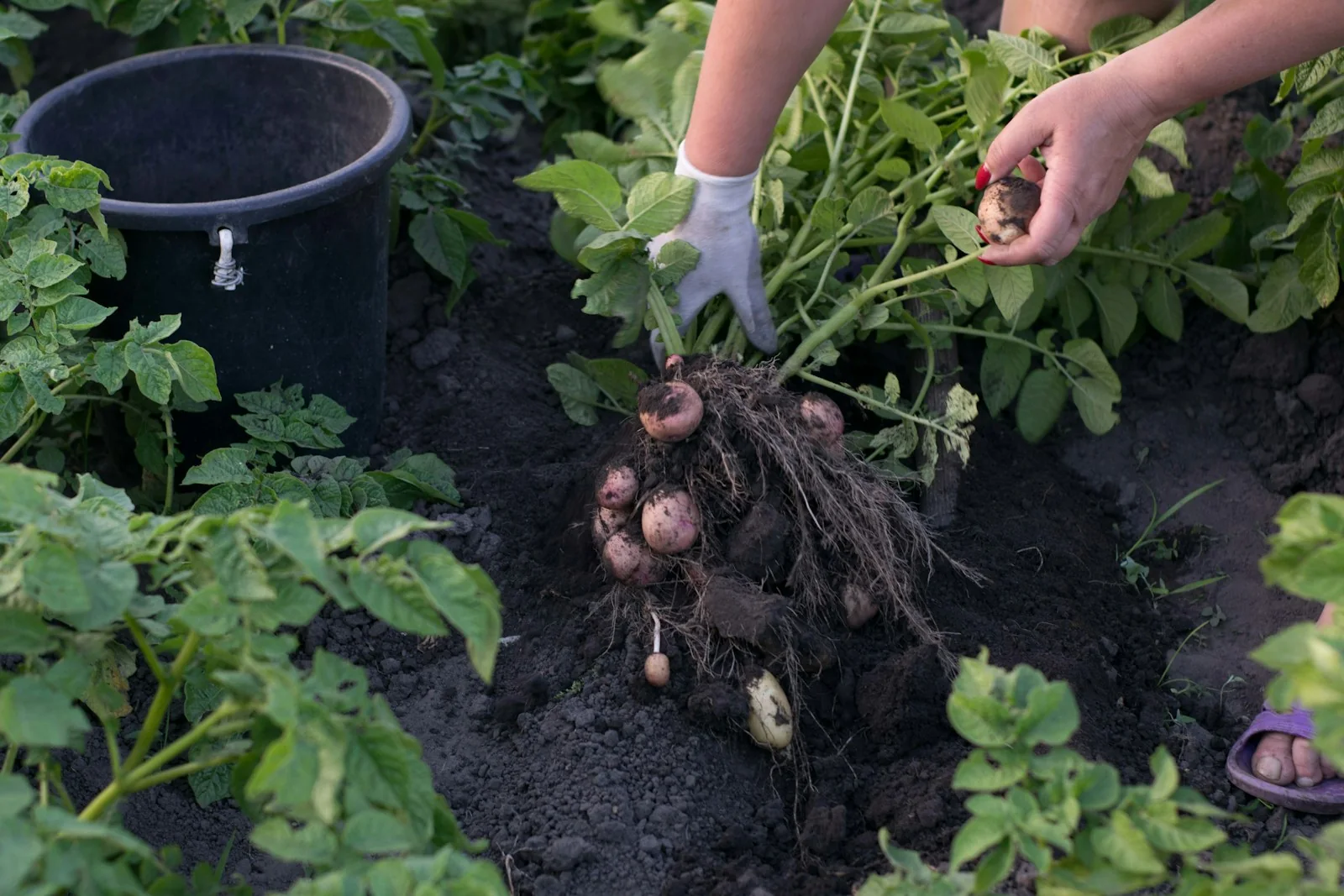 |
|---|---|
| Light | Full sun; at least 6 hours of direct light, with stronger exposure preferred. |
| Water | Maintain useful moisture while tubers develop, then reduce irrigation as healthy plants mature and die back. |
| Soil & growing mix | Loose, well-drained soil; pH planning should account for soil tests and any confirmed common-scab history. |
| Mature size | Upright leafy stems can reach about 3 feet; leave belowground room for tubers and access for hilling. |
| Growing season | Often a spring crop harvested before intense summer soil heat; timing varies by region and cultivar. |
| Winter & climate | Biologically a herbaceous perennial cultivated as an annual tuber crop; foliage has limited light-frost tolerance. |
| Container fit | Container choice matters. Check mature size and root-space guidance in the reference. |
| Place & variety | Planting dates vary sharply between mild southern districts and cold northern soils. Hot soil can inhibit tuber formation. Early maturity, cooler-season planting and locally adapted cultivars matter more than a winter hardiness-zone label. |
| Equipment to consider | |
| Evidence & next steps |
|
These facts help compare choices. They do not establish that plants can share a pot, watering circuit or outdoor site. Check the full reference and local suitability before planting.
Open this comparison as a bookmarkable page
Give your choice enough room.
Use inside bed or pot measurements to plan mix quantities and working space.