Start with the climbing mechanism
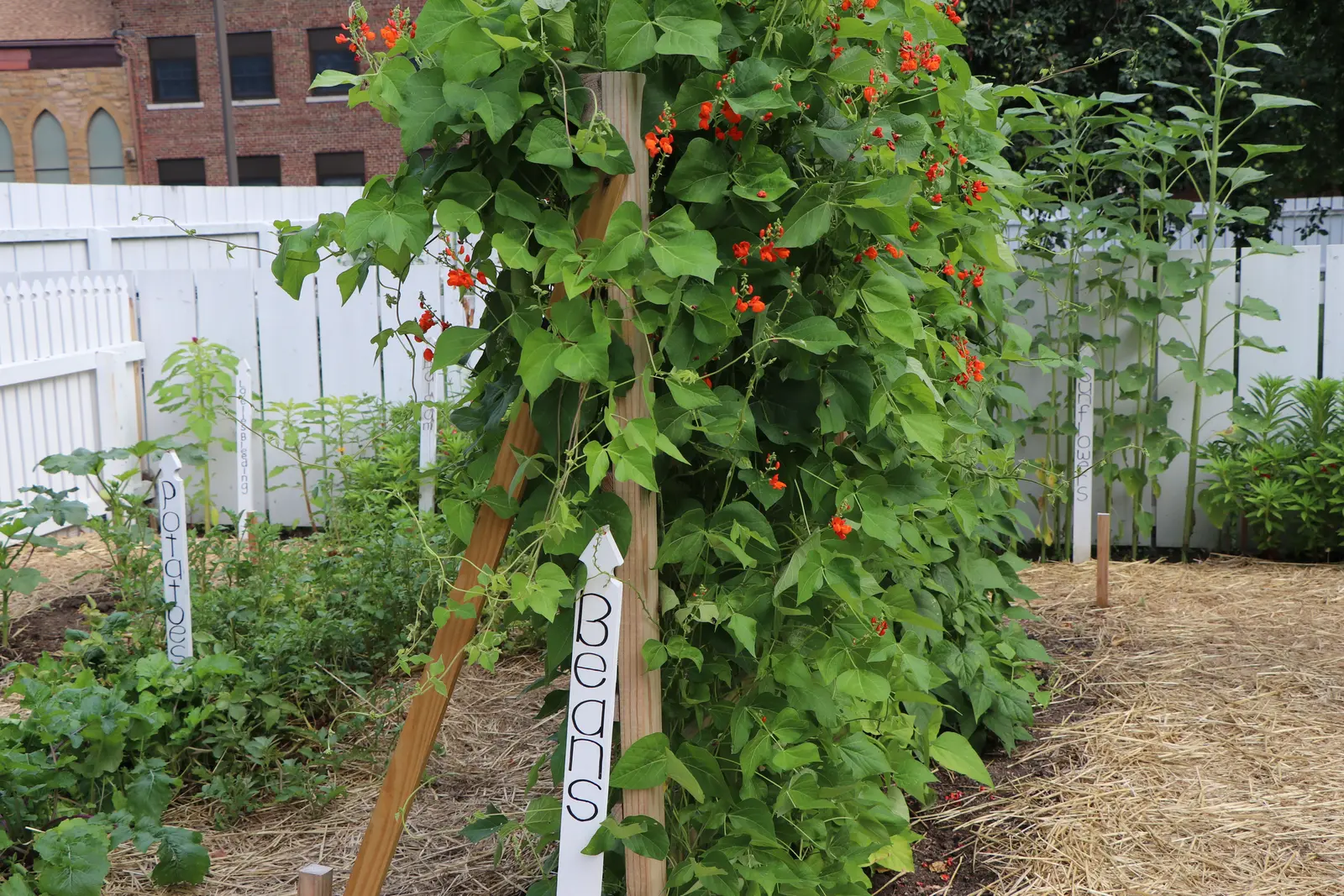
A trellis can be strong enough to stand outdoors yet offer little that a particular vine can grip. Look up how the plant climbs before comparing decorative patterns. Some vines wind their stems around supports; others grab with tendrils or leaf stalks, attach directly with holdfasts, or lean and sprawl until tied into place.
The University of Maryland's vine guide explains these mechanisms and shows why clematis benefits from slender supports its leaf stalks can encircle. A thick pergola post can carry the eventual plant but may still need a finer layer of mesh or wires to provide a usable climbing route.
Draw the route from the young plant to the first permanent gripping point. A beautiful panel beginning well above the nursery plant leaves an awkward gap. Include temporary canes or another suitable bridge that can later be removed without pulling stems apart. The full support system begins at planting level, not only at the visually impressive top.
Confirm that you are buying a climbing clematis. Some herbaceous clematis need support among neighboring plants or a suitable frame but do not behave like a self-attaching climbing vine. The shared genus name does not guarantee the same training method.
Distinguish the grip surface from the structural frame
Treat the support as two components. The structural frame carries weight and resists movement; the finer gripping surface gives stems a route. This distinction lets you choose strong posts or a rigid panel without expecting a delicate leaf stalk to wrap around a large timber. It also makes later replacement of fine material easier to plan.
The RHS guide to training climbers recommends putting supports in place before planting and leaving clearance from walls and fences. It also distinguishes small structures from those requiring substantial anchorage. The larger the framework and mature plant, the less useful a simple push-it-into-the-soil assumption becomes.
Ask the supplier what the structure is intended to support and how it must be anchored. Consider mature woody growth and wind exposure, not just the weight of the plant in its nursery pot. A support designed for seasonal peas is not automatically suitable for a long-lived woody vine. When attachments affect a building or a large overhead structure, use competent installation advice.
Check the condition of an existing fence before adding a vine. Loose posts, decayed rails, or panels due for replacement should be repaired first. Allowing stems to cover those defects makes inspection harder and can turn a modest repair into an operation involving the established plant.
Choose a plant that fits the space above and below
Measure the area the vine can occupy at maturity, including its width and the direction in which escaping shoots could grow. Keep doors, windows, gutters, vents, and neighboring shrubs in the sketch. A climber has not solved a space problem if it merely transfers that problem upward into an inaccessible part of the building.
The RHS clematis growing guide notes the differences between vigorous climbing types and smaller plants, the fragility of stems, and the need to provide usable supports. Compare the exact plant's expected growth with your frame. Pruning can manage appropriate growth; it should not be the only plan for making an oversized vine fit a small obelisk.
Consider the root site as well. A wall can shelter foliage while leaving the soil at its foot unusually dry. Keep the planting location reachable for watering, and do not assume rainfall reaching the rest of the bed also reaches a root ball under an overhang. Install the support without sacrificing the soil space the plant needs.
For containers, evaluate the pot, frame, plant, and exposure together. A tall vine can catch wind even when the pot itself feels heavy. Choose a placement and anchoring arrangement suited to the whole assembly, with no reliance on tying it to an unsuitable railing or neighboring plant.
Make the pruning routine possible before growth covers everything
Ask how much framework must remain from one season to the next. A vine whose flowering depends on retained stems creates a different maintenance challenge from one routinely cut back low. If old stems will stay for years, plan enough access to inspect ties and the support behind them.
RHS clematis pruning guidance separates plants by flowering wood and season. Use the correct pruning group when planning removal of dead growth or seasonal netting. Do not strip an entire support each winter merely because that routine worked for a different clematis.
Imagine doing the work with both feet on the ground. Can you reach the main tie points and identify stems before cutting? If the design depends on frequent overhead pruning, choose a shorter framework or a more manageable vine. A low, reachable display can be easier to keep attractive than a tall one that becomes difficult to maintain.
When growing two vines together, compare their pruning needs as well as their colors. Different seasonal routines can make it difficult to remove one plant's stems without damaging the other's. Separate support panels or clearly distinct training routes may preserve the combination while reducing confusion.
Train early and check the attachments
Guide flexible young growth before stems become tightly tangled. Spread stems across the available surface rather than leaving the entire plant bunched against its nursery cane. Work gently, particularly with clematis, and use ties that hold position without constricting growth. Do not force stiff stems into sharp bends to complete a symmetrical pattern.
The RHS tying-in guide recommends regular checks even for flexible or biodegradable ties and warns that metal ties can cut into thickening stems. Match tie strength to the stem and task. A soft tie used to position a young shoot is not a substitute for structural anchorage.
Keep stems on the accessible face of a trellis where possible. Shoots threaded behind a panel can become trapped as they thicken, and a seemingly tidy concealed tie can be difficult to inspect. Redirect wayward growth while it is manageable. Make tie checks part of watering and routine observation, with another inspection after strong wind.
Compare supports using the maintenance you will actually do
Before purchasing, describe the completed arrangement in plain language: a rigid freestanding frame with slender gripping wires; a wall-mounted panel with clearance for stems; or an obelisk sized for a compact vine. Add the expected pruning routine and the way damaged components can be replaced. This is more useful than choosing purely by decorative style.
Check materials and joins for sharp edges, snag points, and places where ties can slip. Confirm access to the root zone and a route for removing prunings. If a support folds for storage, decide whether that feature can be used once a perennial vine has grown through it. A seasonal convenience may have little value in a permanent planting.
Finally, screen the plant's regional invasiveness before installation. The best-built support cannot contain seeds dispersed beyond the garden or runners spreading at ground level. Choose a locally appropriate vine whose climbing behavior, mature size, and care routine fit the same design.
Sources & further reading
We favor university extension guidance and original product documentation. Linked sources support the specific facts cited; they do not endorse Garden Gear Atlas.
- University of Maryland Extension: vines for Maryland gardens
- Royal Horticultural Society: training climbers on planting
- Royal Horticultural Society: growing clematis
- Royal Horticultural Society: tying in climbers
- Royal Horticultural Society: clematis pruning groups
.JPG)