Look through the leaves before choosing the tool
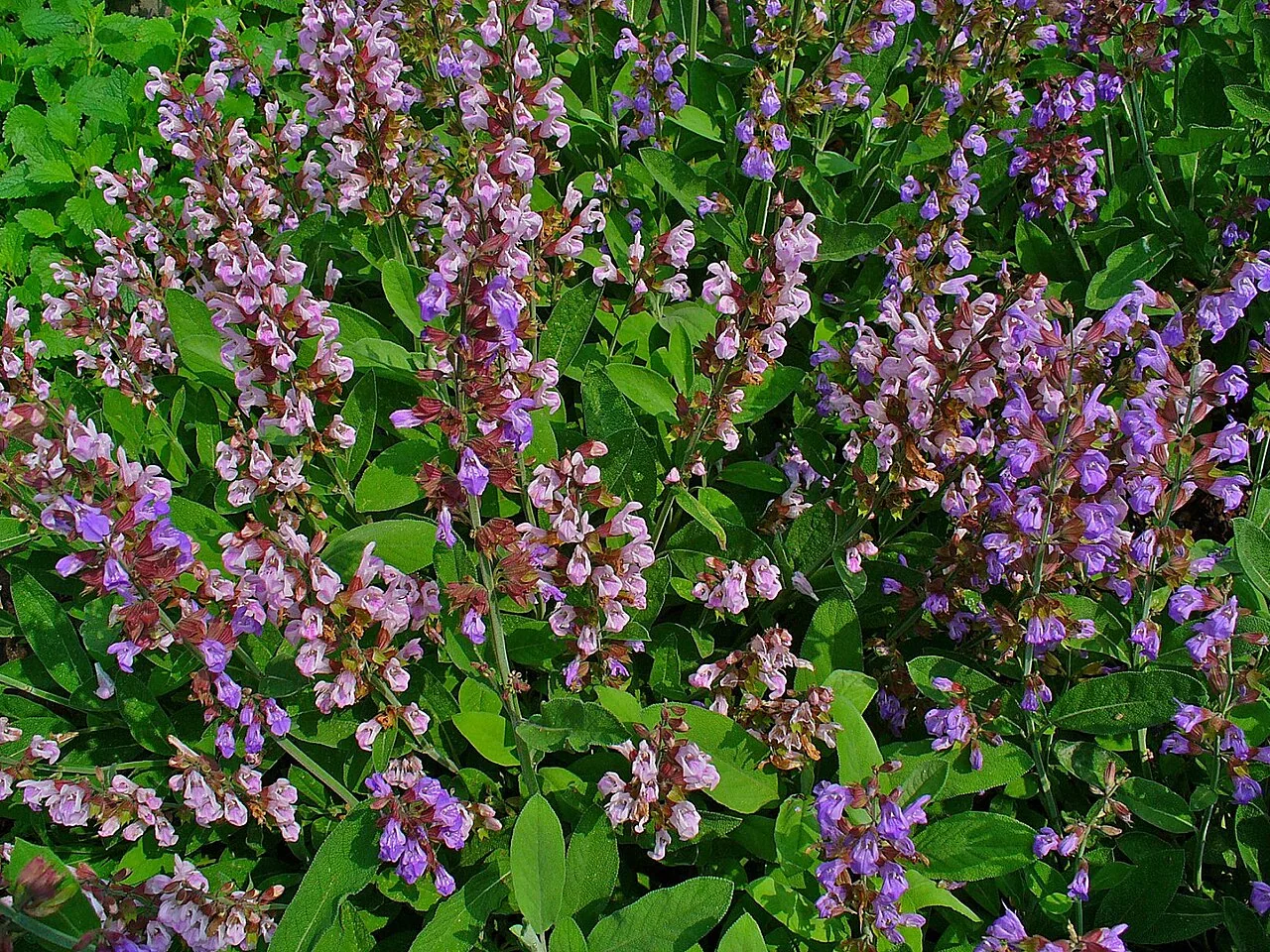
Follow several branches from the base to their leafy tips. Notice where new shoots are present and where a long section is bare. Then decide whether you need a few leaves, a tidier outline or a replacement plant. These outcomes involve different amounts of cutting, even when all three begin with a straggly-looking sage.
The Fiskars Micro-Tip snips suit selected soft shoots. The FELCO 6 bypass pruner is worth considering for appropriate firmer stems if its hand fit and handedness suit you. Compare the specifications in gear comparison, then choose by the cuts you have identified. A stronger tool does not make bare wood more likely to grow again.
Put kitchen harvest, sound propagation material and discarded stems in separate places. Work where you can see the whole branch and control the blades. If foliage blocks the view, move it gently aside before cutting. A rushed reach into the middle of the shrub is a poor way to decide which part of its remaining framework should stay.
Distinguish normal wood from a failing plant
Wisconsin describes sage’s young green stems becoming woody with age. That transition is normal for this perennial subshrub. A brown, firm branch that carries healthy leafy shoots is not equivalent to a dead branch or a plant with a rotting base. Wisconsin Extension: culinary sage
Inspect several parts before giving the plant one diagnosis. A leafy outer branch, a bare interior and an isolated dead tip can coexist. Note where growth is missing and what remains useful. If the plant still has accessible leaves and a manageable shape, the presence of wood alone does not create an urgent renovation job.
Check recent history too. Did the change follow winter weather, a heavy kitchen harvest, a move or prolonged wetness? If collapse is sudden, examine the growing conditions and seek identification of the problem where needed before propagating or pruning extensively. A replacement made from unhealthy material can carry the unresolved problem into a fresh pot.
Choose one of three practical responses
If the plant is well-branched and leafy, make only the modest harvest or trim it needs. If it has leafy shoots on a usable framework but an awkward outline, plan measured pruning during active spring renewal. If most branches are long and bare with foliage only at the ends, begin a replacement rather than assuming every branch can be shortened to the desired height.
Write the intended result in plain terms: keep leaves within reach, clear this path or maintain this cultivar. That prevents the work expanding into an unnecessary overhaul. A plant can be too large for one location while still being perfectly useful in another; the decision concerns the planting arrangement as well as the plant.
For example, an old sage beside a narrow step may deserve replacement by a compact cultivar, even if it remains healthy. A similarly shaped plant in a broad border may only need a reachable harvesting side. If preserving its flavor is important, establish a labeled young plant before removing the old one. Keep the goal visible while choosing between those options.
Time shaping around visible renewal
Illinois recommends spring pruning as new growth resumes. NC State cautions against cutting into mature woody stems, which seldom reshoot. Together, those points favor inspecting active shoots and preserving living growth rather than using a calendar date to justify cutting every branch equally short. Illinois Extension: sage NC State: culinary sage
Wait until you can identify what the plant is doing after winter, then choose cuts individually. A leafy branch may permit shortening while a neighboring bare branch does not offer the same opportunity. Step back frequently and judge the remaining shape. Uniform cutting height is less important than retaining useful growth.
If the outline you want would require removing nearly all the leafy structure, stop and reconsider replacement. Do not keep cutting to make an earlier severe cut look symmetrical. Take a photograph, note what remains and give the plant suitable care while you assess the next step. A deliberate pause can preserve options that a second round of cutting would remove.
Keep the everyday harvest within the plant’s capacity
NC State advises light first-year harvest so a new sage can establish. The same practical restraint is useful when judging a small recovering plant: choose the amount from its current growth, not from the quantity a recipe asks you to provide. NC State: culinary sage
For a few leaves, move around the accessible part of the plant rather than repeatedly stripping the nearest twig. For a short leafy shoot, inspect the portion left behind before closing the blades. The culinary sage profile covers identification and site needs if you are starting with an unfamiliar plant.
Separate a drying project from routine supper picking. Prepare the drying arrangement and identify which established plants can spare the material before cutting a large batch. If the only plant is newly pruned or recently planted, reduce the project. Maintaining a useful future canopy is a better reason to stop than the wish to fill every space in a drying rack.
Raise a replacement while sound young shoots remain
RHS recommends softwood cuttings from sage’s new growth in late spring or early summer. Wisconsin also describes summer softwood cuttings rooted in moist, draining potting mix. Choose healthy material from a known plant whose characteristics you want to keep. RHS: growing sage Wisconsin Extension: culinary sage
For general softwood preparation, RHS describes non-flowering shoots, cuttings roughly 5–10 cm long trimmed below a node, and removal of the lower leaves. Insert them in appropriate cuttings compost with remaining leaves above the surface. Keep them in good light away from scorching sun, with moisture and a ventilated humid environment. RHS: softwood cuttings
Prepare the pots, labels and sheltered growing position before collecting material. Work on one cultivar at a time, and take only the number you can monitor. Keep the mother plant’s name with the young plants throughout rooting. A tray of anonymous cuttings is of little help when the reason for propagation was to preserve one particular sage.
For the preparation and rooting stage, follow our stem-cutting method guide, matching the material and humidity to the species.
Judge rooting before declaring the handover complete
RHS advises gradually acclimatizing rooted softwood cuttings to lower humidity and potting them on individually. Remove failing material during the rooting period and keep the medium moist without treating a closed cover as permission to stop inspecting. Its timing guidance is a general reference; assess the actual cutting. RHS: softwood cuttings
Do not assume that a green tip alone proves the plant is ready for regular kitchen use. Look for a developing root system and sustained new growth, then give the young plant room to establish. Keep it labeled when changing pots. If the replacement must eventually grow outside, include acclimatization to the destination conditions in the plan.
Keep the older healthy plant for a limited overlap if space allows. It may still provide occasional leaves while the replacement grows. If space is too restricted for two plants, buying an established labeled replacement can be more practical than propagating. Choose the method that fits your available care space instead of treating propagation as a compulsory achievement.
Check the site before installing another sage
RHS warns that excess winter wet can damage common sage and lists root rots among possible problems. Replacing a plant without changing a repeatedly saturated location may reproduce the same decline, regardless of how carefully the new plant was raised. RHS: common sage profile
Inspect the bed after rain and the container after watering. Note whether water from a roof, path or neighboring pot reaches the root area. Verify that drainage outlets remain open and that an outer vessel can be emptied. Resolve those physical conditions before assuming the plant needs a different fertilizer or a larger annual pruning.
Check the available footprint too. If the old sage became awkward because its mature branches crossed a path, move the planting or choose a documented smaller cultivar. The container drainage guide and thyme–oregano comparison help with related growing decisions, but keep this sage’s actual shape and root environment central.
Use age as a reminder, with condition making the decision
Maryland suggests replacing culinary sage every three to four years. Use that as a reminder to inspect the plant and prepare a successor, with the amount of healthy leafy growth deciding whether the present plant remains useful. Maryland Extension: sage
Keep a short record of the parent, propagation or purchase date, planting position and first useful harvest from the replacement. Add whether the older plant still supplied leaves or had become mostly bare. That information lets you adjust the next renewal before the kitchen supply disappears.
At the end of the handover, retain the plants that meet the actual goal. You do not need an expanding collection of aging sages merely because every cutting rooted. Keep one or several useful plants according to your space and cooking, remove unsuccessful arrangements and preserve the name of the selection you would choose again.
Sources & further reading
We favor university extension guidance and original product documentation. Linked sources support the specific facts cited; they do not endorse Garden Gear Atlas.
- NC State: culinary sage
- RHS: common sage profile
- RHS: growing sage
- Illinois Extension: sage
- Wisconsin Extension: culinary sage
- RHS: softwood cuttings
- Maryland Extension: sage