Choose what to grow
Compare plants.
Put the light, root space and seasonal needs beside one another before choosing a place in your garden or home.
1 of 3 plants selected — add another to compare.
| Care decision | 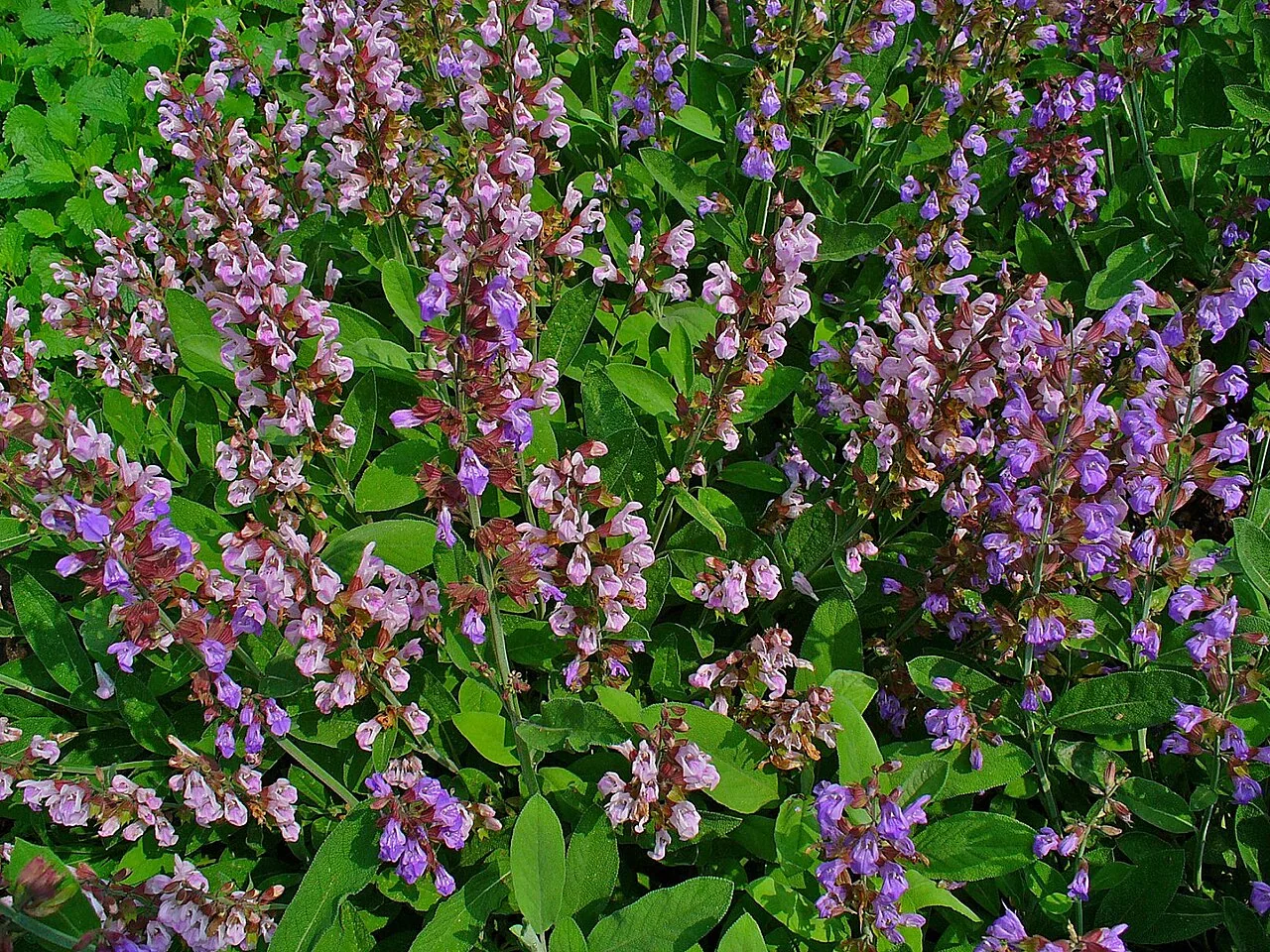 |
|---|---|
| Light | Full sun, ideally in a sheltered growing position. RHS: common sage profile |
| Water | Water new plants during dry spells; established plants tolerate drought. Container moisture still needs checking. RHS: growing sage |
| Soil & growing mix | Well-drained soil; avoid persistent wetness, particularly through winter. RHS: common sage profile |
| Mature size | NC State describes plants up to about 2 feet tall and 2–3 feet wide, with smaller cultivars available. NC State: culinary sage |
| Growing season | Perennial foliage with early-summer flowers; winter leaf retention and usable harvest depend on exposure. Wisconsin Extension: culinary sage |
| Winter & climate | Wisconsin lists USDA 4a–10b for the species, but some colored selections are less hardy. Verify the cultivar and local winter performance rather than applying that broad range to every sage. Wisconsin Extension: culinary sage |
| Container fit | Well suited to containers. Check mature size and root-space guidance in the reference. |
| Place & variety | Winter wet, severe cold and the condition of the individual cultivar all influence survival. Illinois specifically notes that golden, purple and tricolor sages are not dependable in zone 5. Do not apply the broadest species rating to every decorative selection. Illinois Extension: sage |
| Equipment to consider | |
| Evidence & next steps |
|
These facts help compare choices. They do not establish that plants can share a pot, watering circuit or outdoor site. Check the full reference and local suitability before planting.
Open this comparison as a bookmarkable page
Give your choice enough room.
Use inside bed or pot measurements to plan mix quantities and working space.