Choose what to grow
Compare plants.
Put the light, root space and seasonal needs beside one another before choosing a place in your garden or home.
1 of 3 plants selected — add another to compare.
| Care decision | 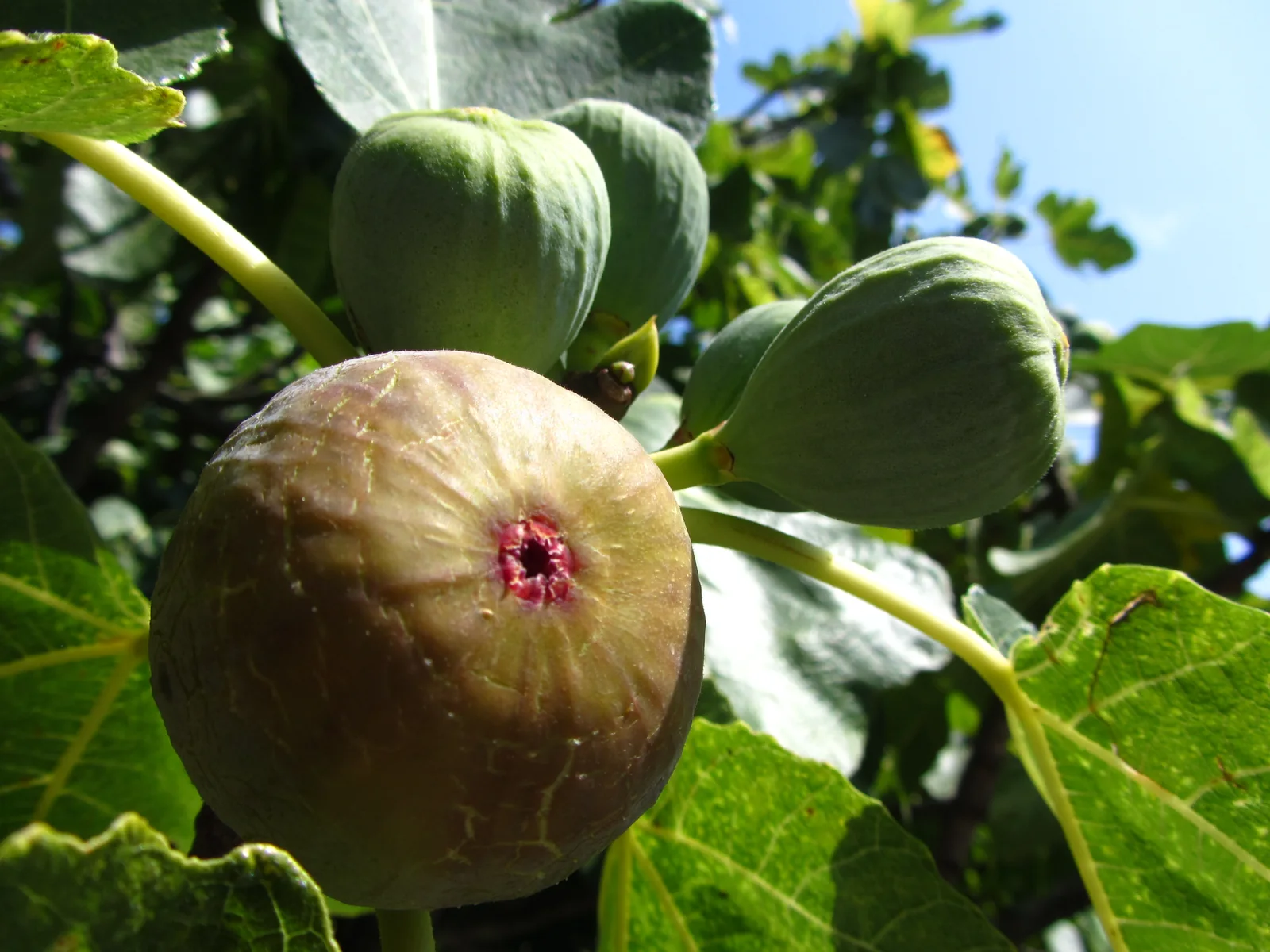 |
|---|---|
| Light | Full sun for reliable cropping; a sheltered warm location can help in marginal climates. |
| Water | Water establishment growth and developing fruit according to soil moisture and weather; do not leave the root zone constantly soggy. |
| Soil & growing mix | Well-drained soil with adequate fertility; test before fertilizing and investigate root-knot nematode risk where locally important. |
| Mature size | The species can become a spreading plant 10–30 feet tall and wide; cultivar, training, pruning and containers can keep it much smaller. |
| Growing season | Deciduous perennial. The main crop forms on current-season shoots; some cultivars also carry an earlier breba crop on overwintered wood. |
| Winter & climate | Cultivar- and site-dependent. Root survival after winter dieback does not guarantee fruit will ripen the following season; containers expose roots to greater cold. |
| Container fit | Container choice matters. Check mature size and root-space guidance in the reference. |
| Place & variety | This is the common-type edible fig that can set fruit without pollination, not a universal description of every Ficus carica fruiting type. Smyrna and San Pedro figs have different pollination requirements. Ripening depends on season length as well as winter survival. |
| Equipment to consider | |
| Evidence & next steps |
|
These facts help compare choices. They do not establish that plants can share a pot, watering circuit or outdoor site. Check the full reference and local suitability before planting.
Open this comparison as a bookmarkable page
Give your choice enough room.
Use inside bed or pot measurements to plan mix quantities and working space.