Houseplants
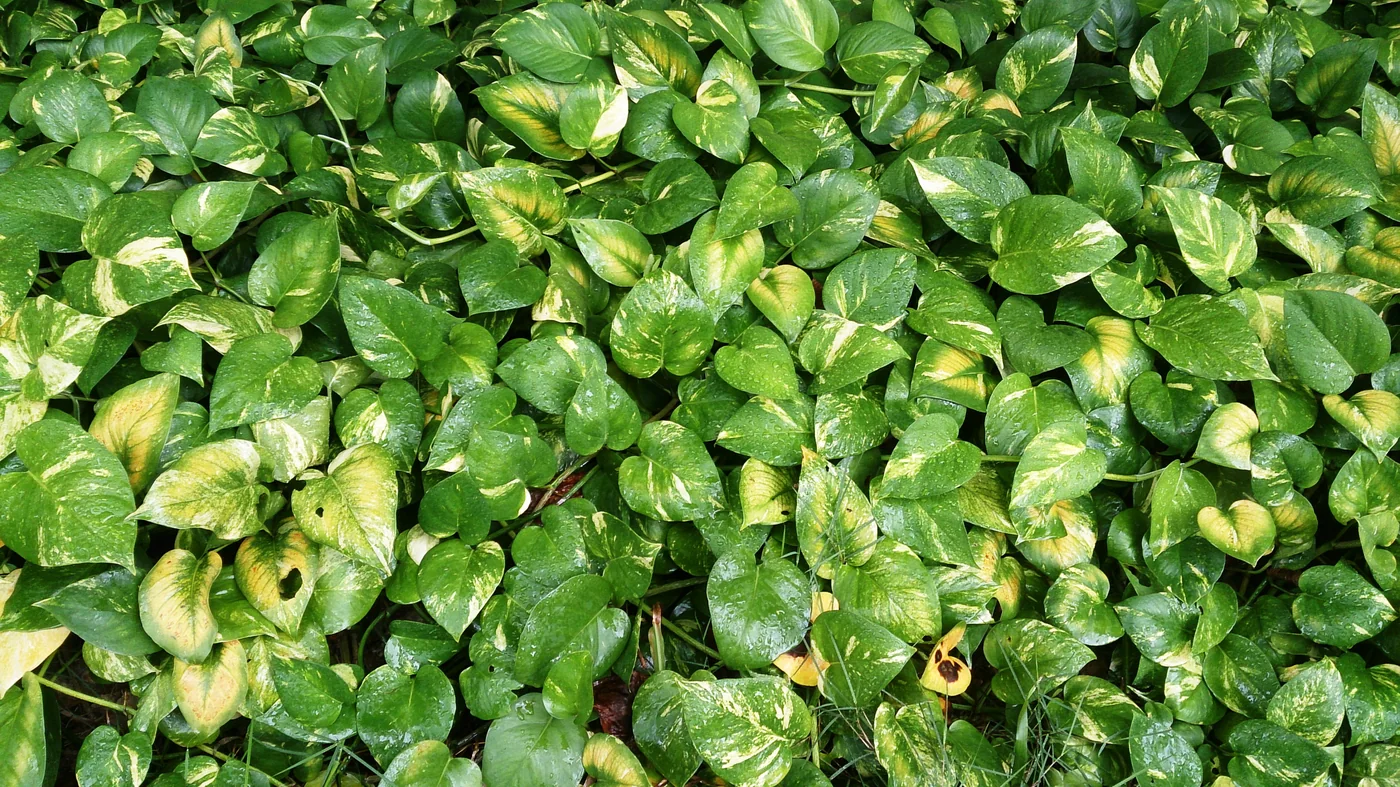
Golden pothos
Epipremnum aureum
A climbing or trailing foliage plant whose familiar yellow-marbled juvenile leaves need a reachable root zone and a realistic route for new vines.
Growing referenceExplore / Houseplants
The right conditions, room by room.
Understand indoor light, humidity, drainage and repotting. Choose supports, pots and care routines around the plant rather than the decoration.
Container soil calculator →
A useful place to start
Compare light where the leaves actually sit, then plan roots, access and support around the species you choose.
01 / Read the daylight
Compare windows, obstructions and changing exposure at leaf height.
02 / Match the root space
Inspect the rhizome and drainage before moving a snake plant into a larger pot.
03 / Allow for growth
Separate leaf development from damage and plan support for a growing canopy.
Houseplants
Epipremnum aureum
A climbing or trailing foliage plant whose familiar yellow-marbled juvenile leaves need a reachable root zone and a realistic route for new vines.
Growing referenceHouseplants
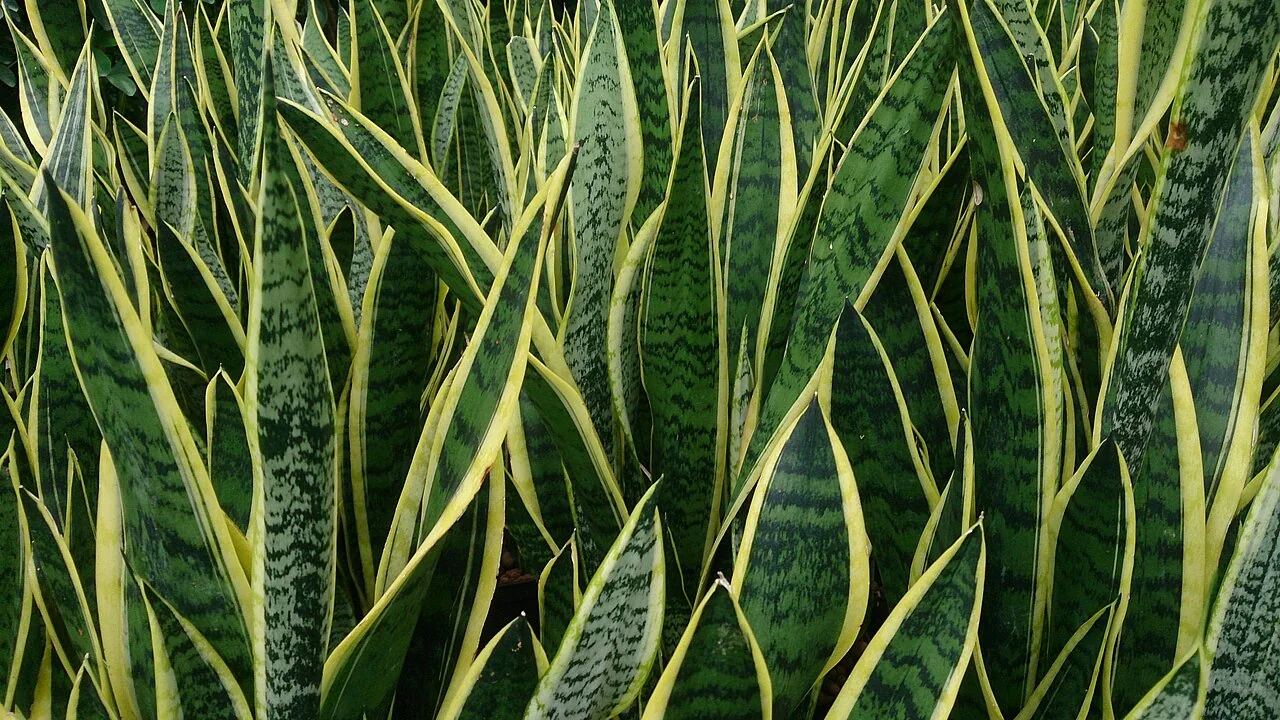
Dracaena trifasciata
An upright clumping houseplant with substantial underground rhizomes; choose its cultivar, root-zone moisture cycle, and container stability together.
Growing referenceHouseplants
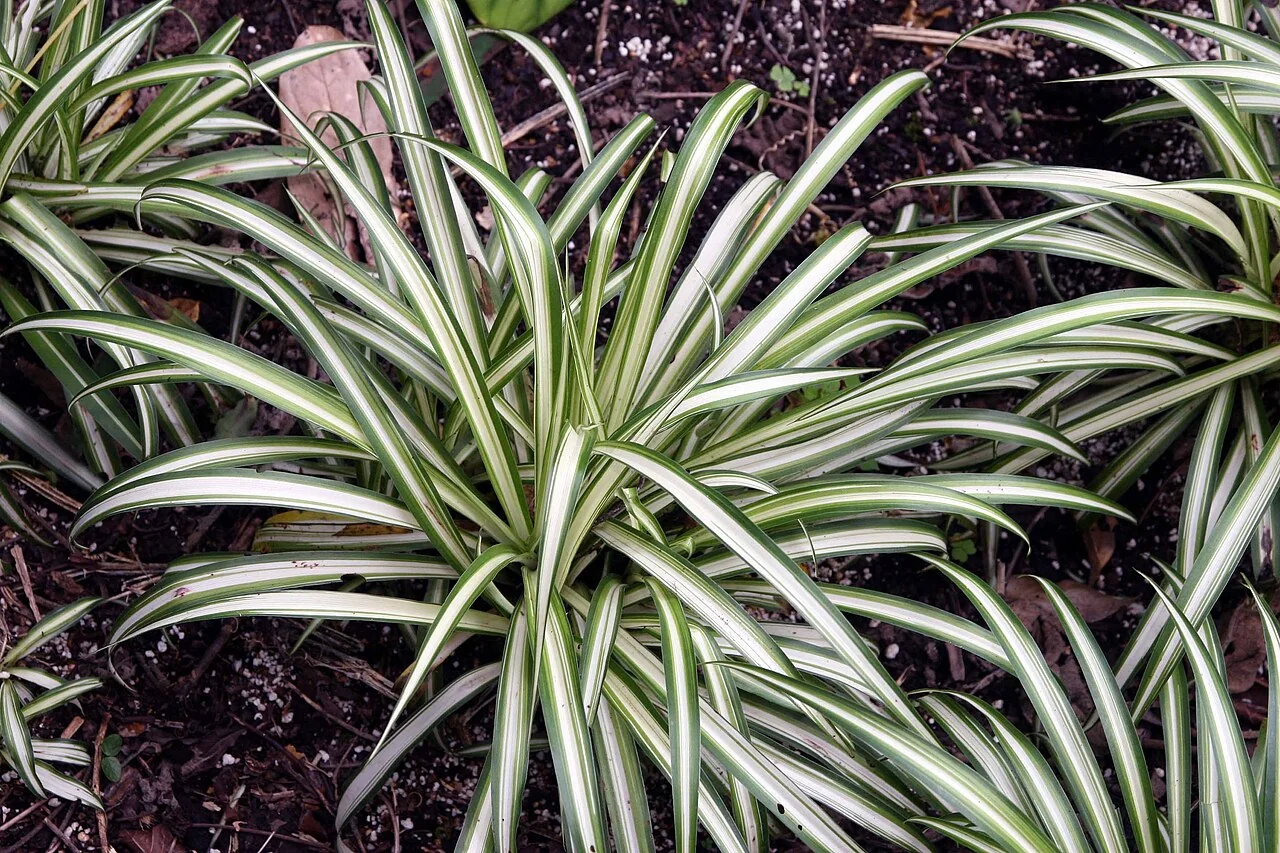
Chlorophytum comosum
An arching rosette with thick roots and hanging plantlets; its brown tips call for a pattern-based review of water, salts, and growing conditions.
Growing referenceHouseplants
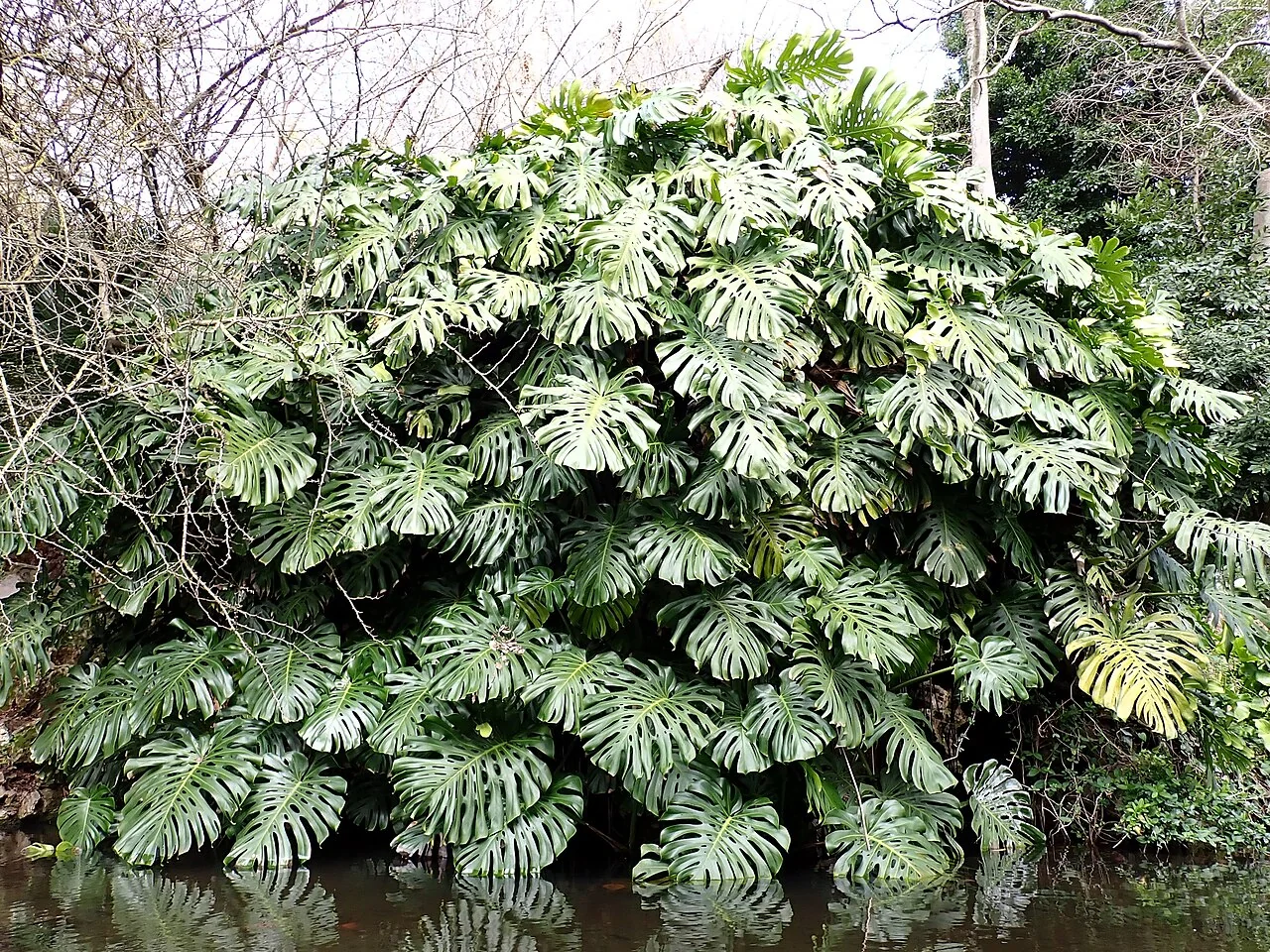
Monstera deliciosa
A tropical climber with large adult leaves and a substantial indoor footprint; choose space, support, and access before pursuing more leaf splits.
Growing referenceHouseplants
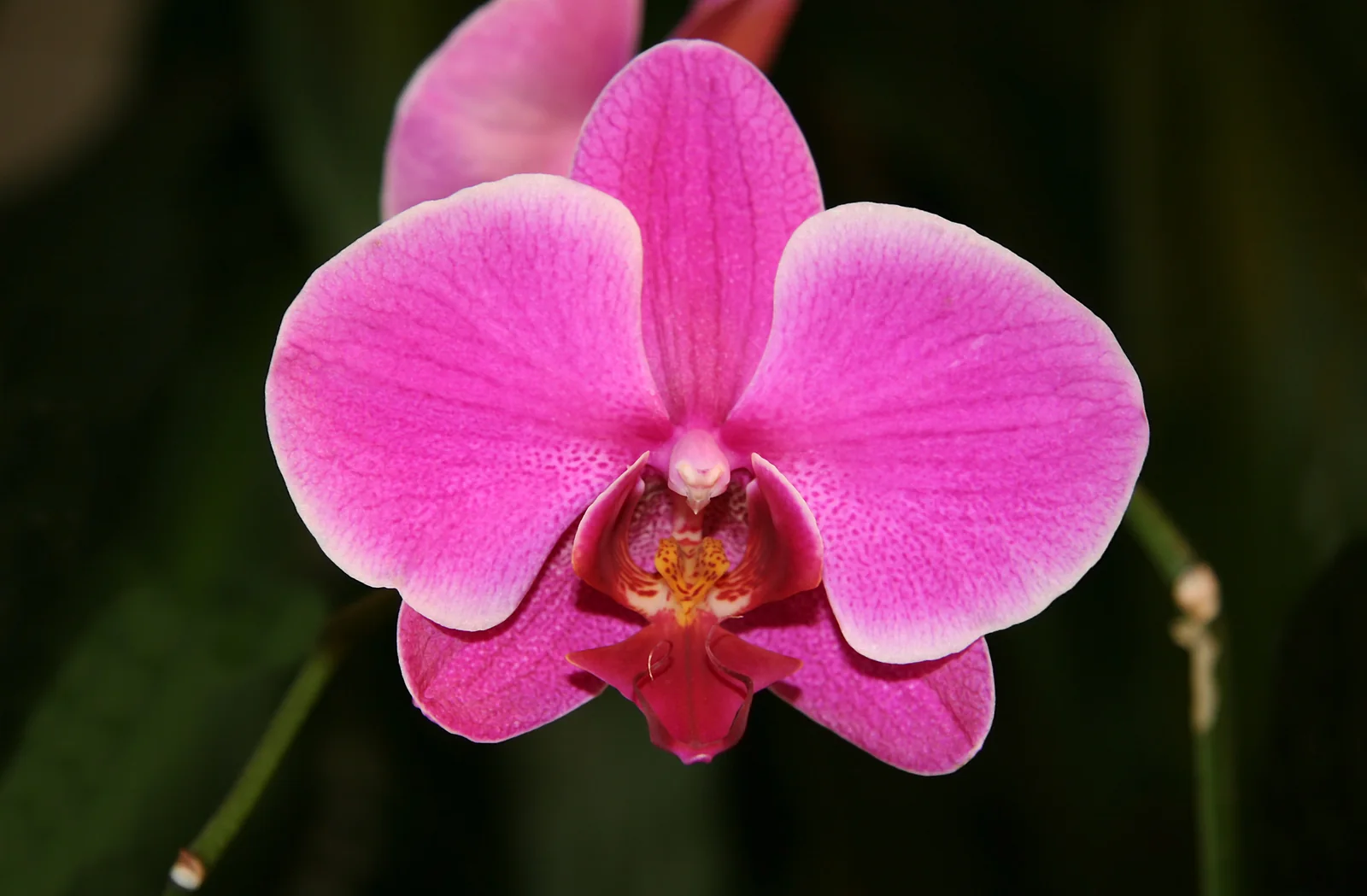
Phalaenopsis hybrids
Common indoor moth-orchid hybrids grown for arching flower spikes, with care governed by roots, potting medium, available light, and hybrid differences.
Growing referenceHouseplants · 7 min read
Choose node-bearing pothos cuttings, a rooting route, and a trailing or climbing destination before cutting up a long vine.
Read the guideHouseplants · 7 min read
Read the underground clump and moisture cycle before solving a snake plant problem with a larger container.
Read the guideHouseplants · 7 min read
Separate cosmetic brown tips, root-zone problems, and plantlet decisions so each correction has a clear purpose.
Read the guideHouseplants · 7 min read
Assess juvenile foliage and new-leaf development before changing light, adding a support, or making room for a larger Monstera.
Read the guideHouseplants · 7 min read
Choose a plant position by actual daylight, obstructions, and seasonal use of the room rather than a fixed number of feet from a window.
Read the guideHouseplants · 6 min read
Separate genuine root crowding from watering, light, and potting-mix problems before choosing a larger houseplant pot.
Read the guideHouseplants · 6 min read
Use plant identity, root-zone checks, container weight, and changing indoor conditions to decide when each houseplant needs water.
Read the guideHouseplants · 6 min read
Measure humidity around houseplants, separate dry-air symptoms from watering problems, and choose interventions that fit the room.
Read the guideHouseplants · 6 min read
Choose and maintain moth-orchid potting medium by root condition, drying behavior, container ventilation, and your watering routine.
Read the guideHouseplants · 5 min read
Match indoor supports to climbing habit, stem attachment, pot stability, moisture maintenance, and future growth.
Read the guideA successful setup brings the plant, growing conditions and equipment together. These related topics help you work through the next decision.